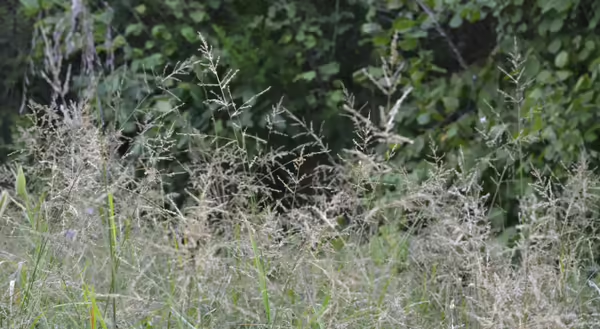
It’s almost October, but warm-season grasses are still in bloom, making it a great time to go outside and identify grasses. If you hike around a pond or other areas with wetter soil, you might come across Beaked Panic Grass, Coleataenia anceps. This warm-season grass is native to Illinois, but mostly found in the southern 16 counties. I find it growing in disturbed habitats, like along roads or walking paths.
Identification
This grass usually grows between 2 and 4 feet tall. Its leaves are keeled, which means it looks like the leaf blade and leaf sheath were folded in half and retain that crease. The midribs of the leaves tend to be translucent. There are hairs along the edges of the leaf blades and sheaths. The ligule, found where the leaf blade wraps around the stem to form the sheath, is short and membranous.
When it blooms in late summer, beaked panic grass produces a panicle inflorescence, which is a branched flowering cluster. The spikelets (flowering units) are oval-shaped with pointed tips. If you catch it in bloom you can see purple anthers pushed out of the spikelets.
Have you seen this grass before?
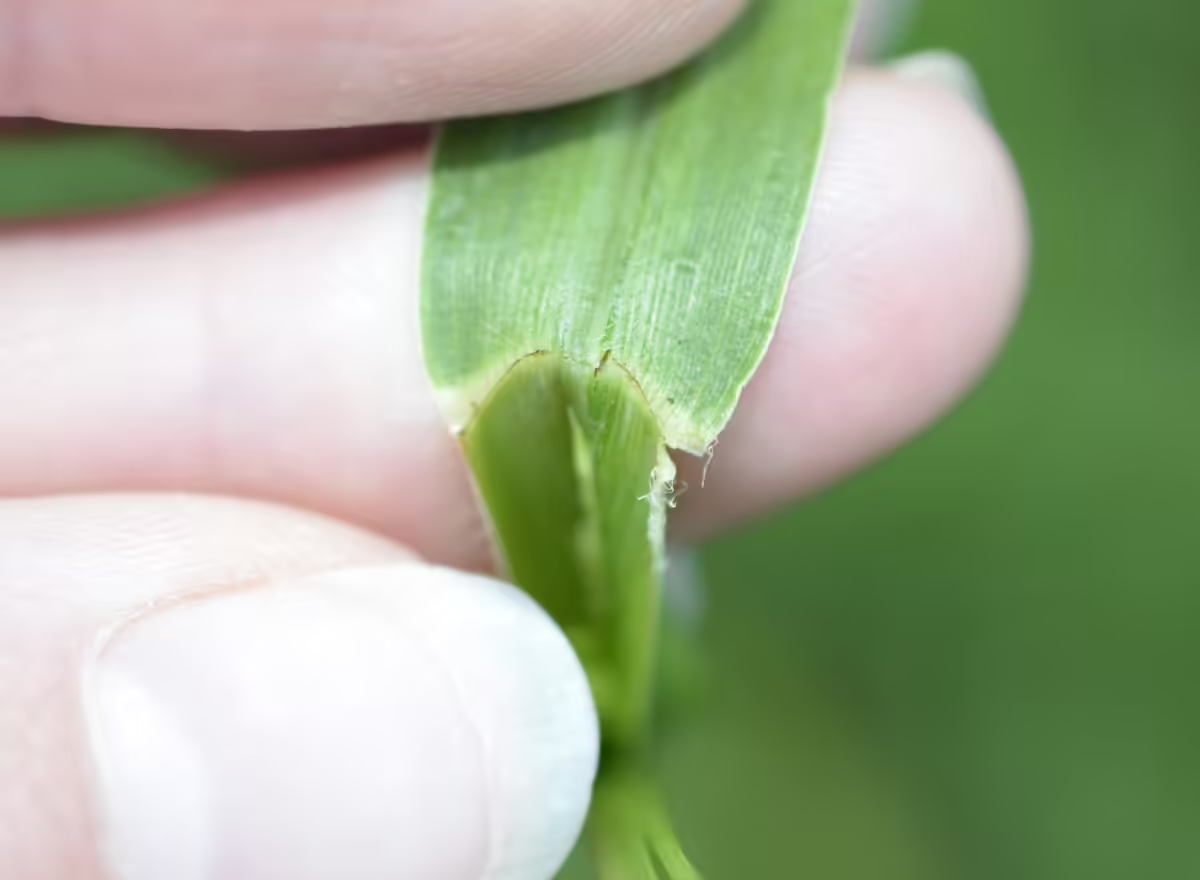
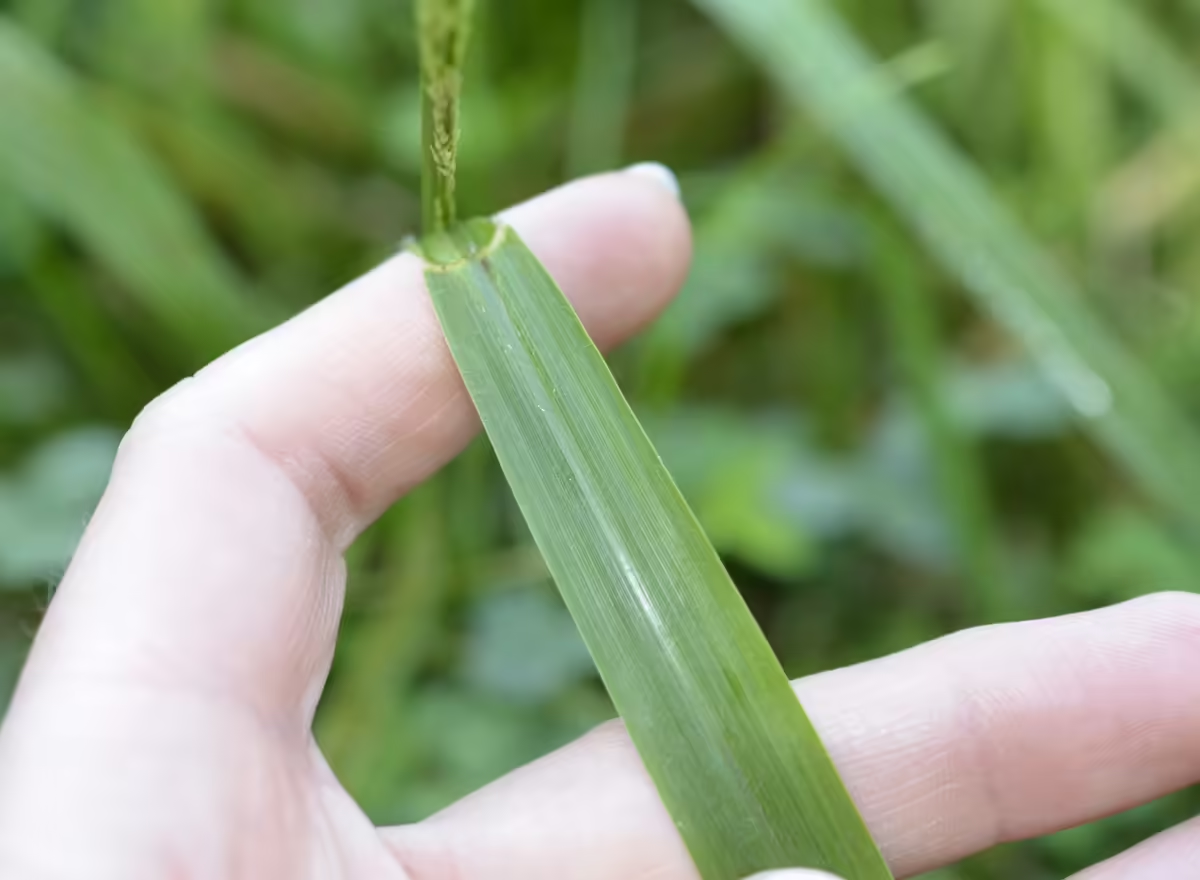
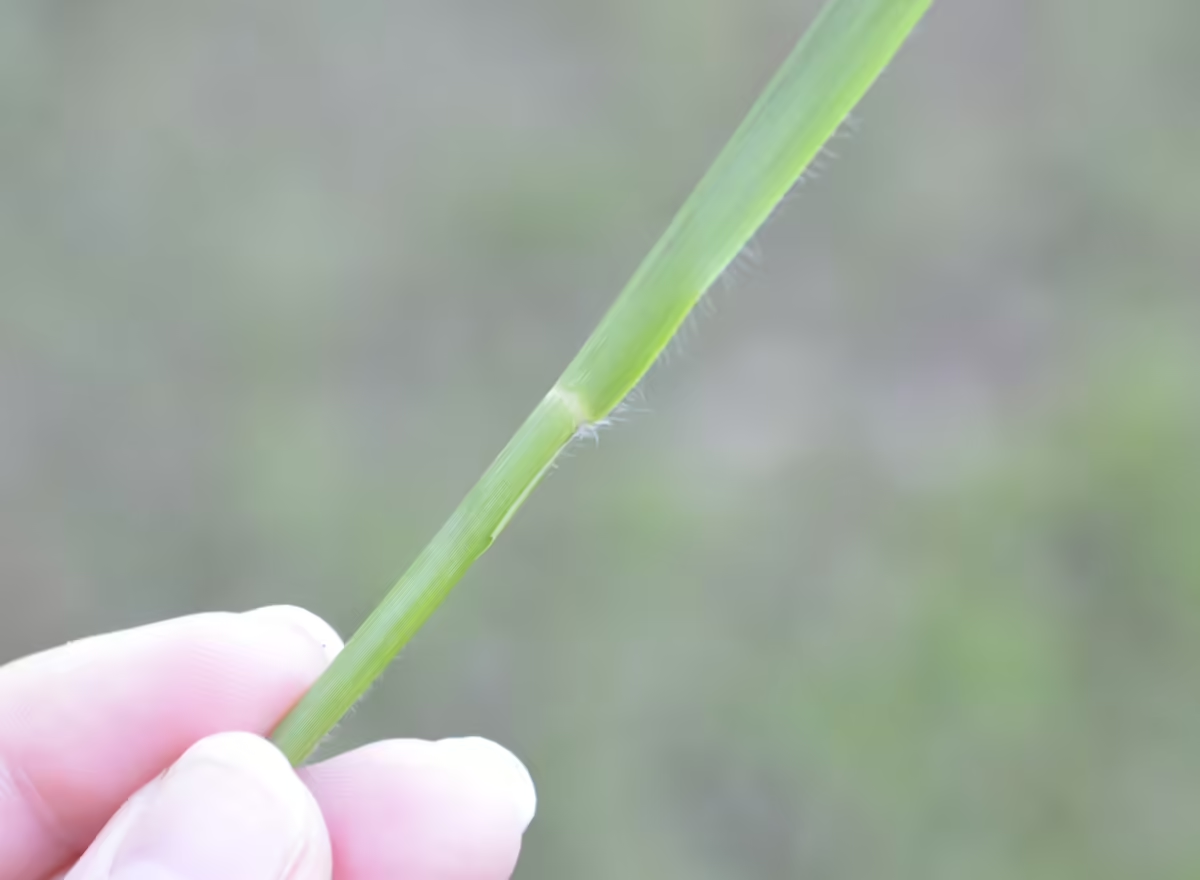
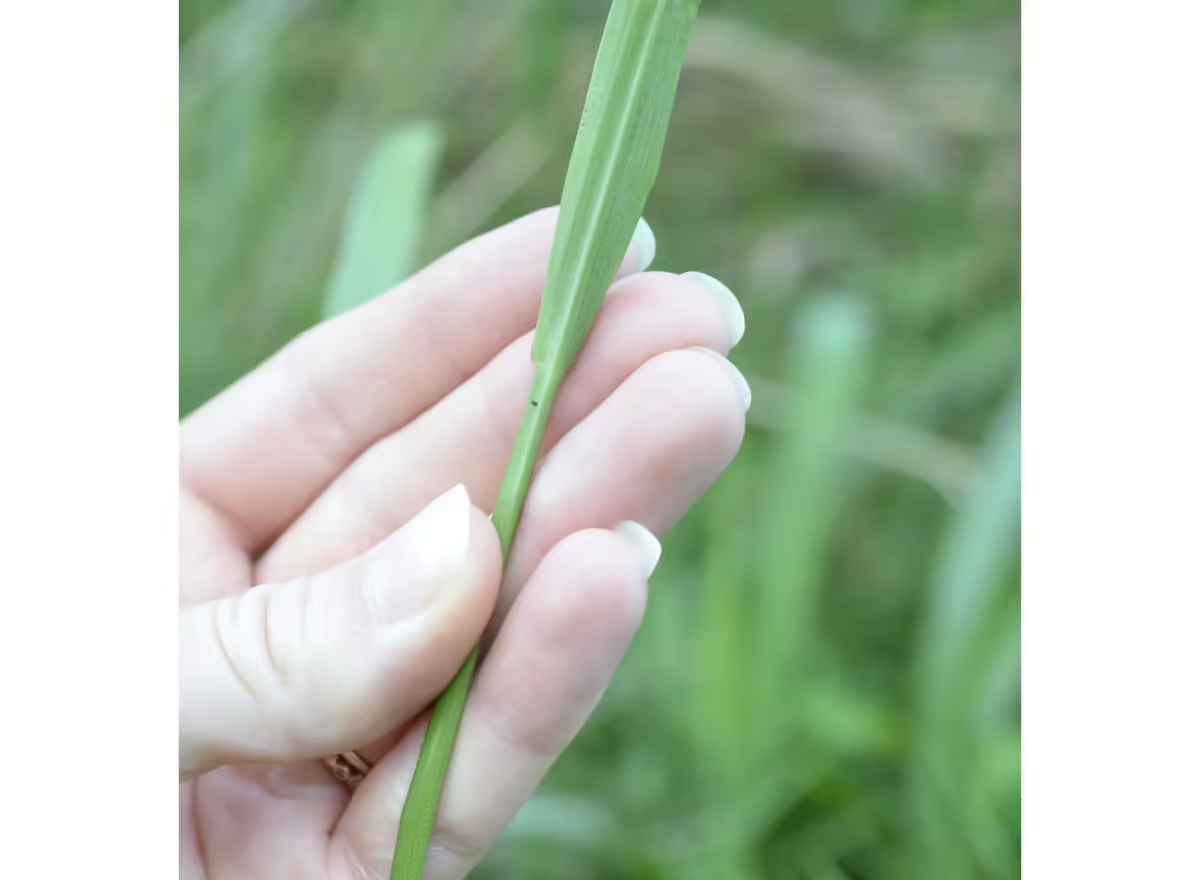
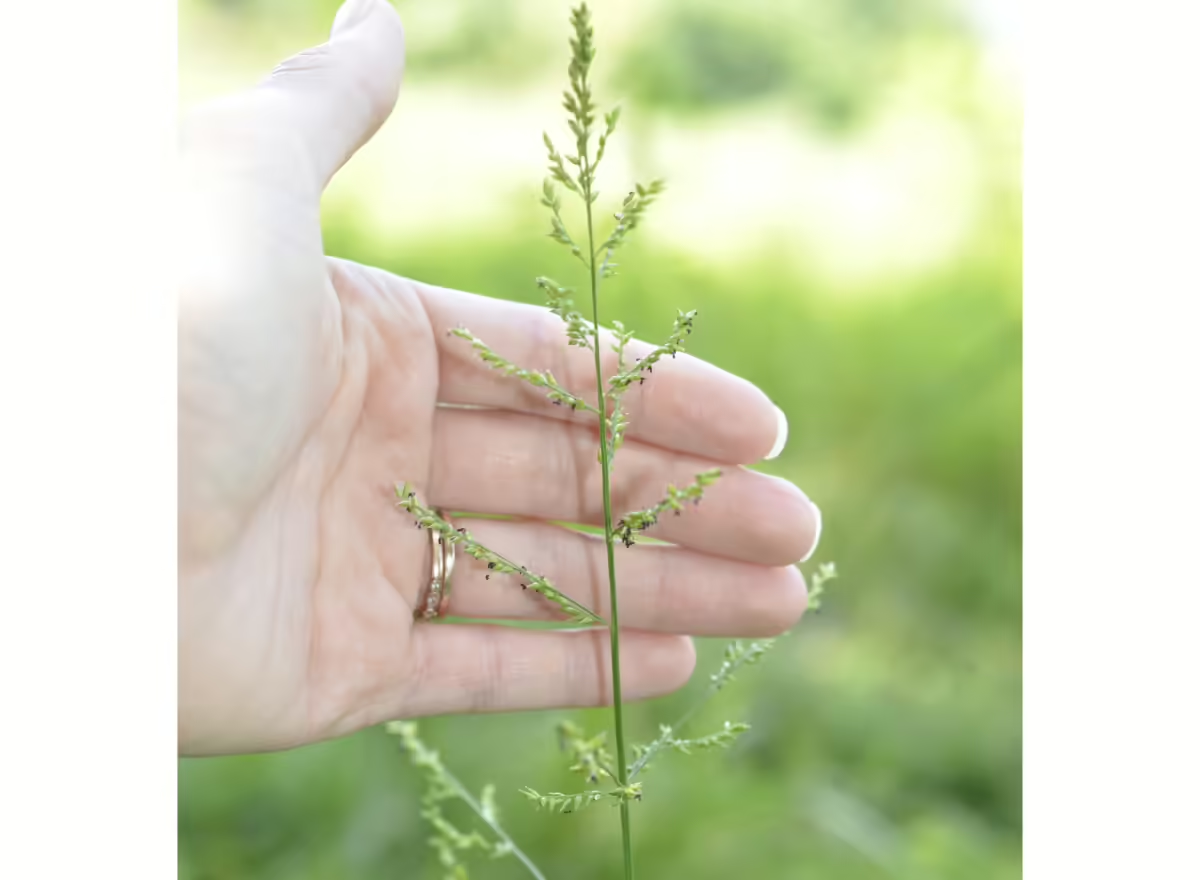
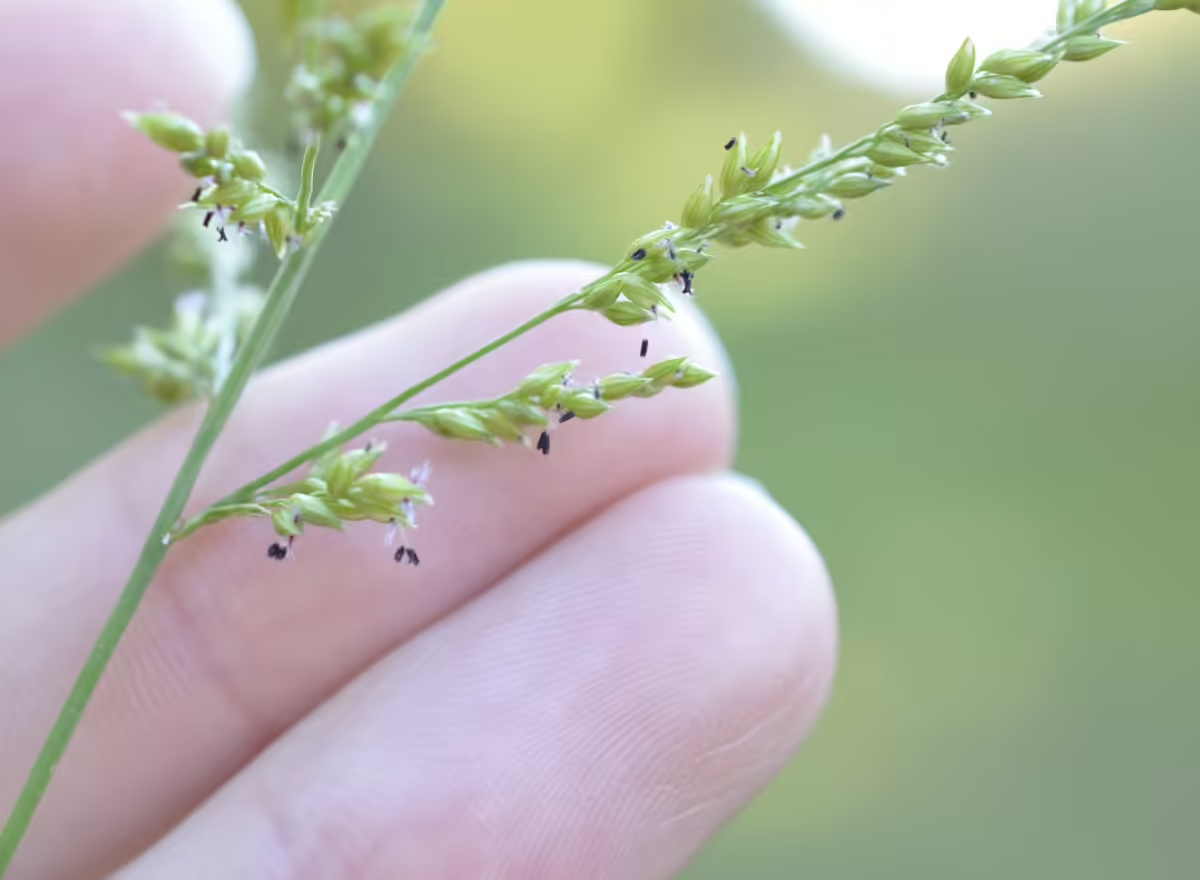
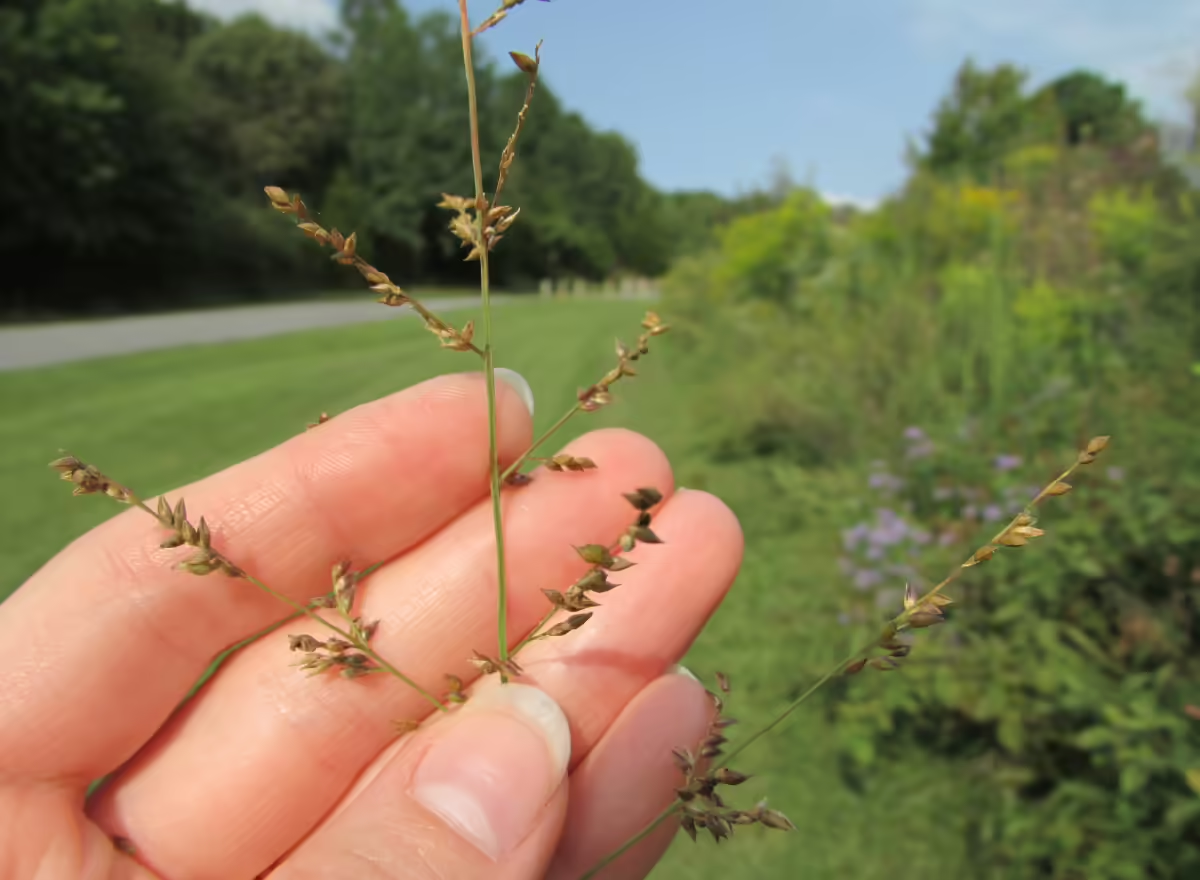
Beaked Panic Grass, Coleataenia anceps, is a native warm season grass. It is mostly found in southern Illinois in disturbed, moist habitats. It grows between two and four feet tall and its leaves are keeled, which means it looks like the leaf blade and the...
Thank you for reading! Need a refresher on grass identification terms, like ligule and spikelet? Check out this blog post!
About Grasses at a Glance
Never miss a new post! Subscribe to our email list to get updates each time a new post is available.
Give us feedback! How helpful was this information (click one): Very helpful | Somewhat helpful | Not very helpful
ABOUT THE AUTHOR: Erin Garrett is a Natural Resources, Environment, and Energy Educator for University of Illinois Extension serving Alexander, Johnson, Massac, Pulaski, and Union counties. Erin develops and delivers high impact programming to adults and youth to help them develop an appreciation for natural resources and to empower them to make small changes to positively impact the environment. Erin’s programming focuses on why homeowners should consider choosing native plants, how to support native pollinators, how to identify grasses, how to identify and manage invasive species, and developing an appreciation for prairie ecosystems.