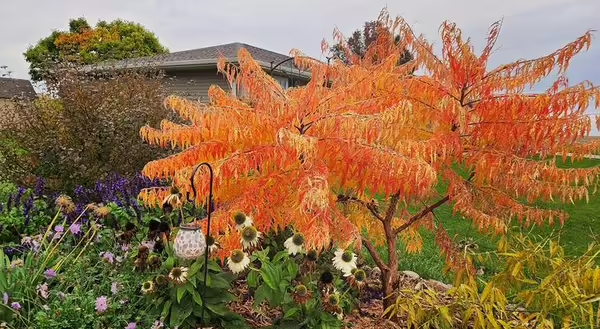
The science behind autumn color and trees to consider for your landscape.
The change from summer to autumn is often signaled by leaves glowing in shades of red, orange, yellow, and purple. Some years, the trees seem painted with brilliant color. Other years, the display feels muted and short-lived.
Why does fall color vary so much from year to year? The answer lies in a mix of plant biology, weather, and tree health.
The Science Behind Fall Color
Throughout spring and summer, leaves appear green because of chlorophyll, which captures sunlight and helps trees make the food they need to grow. As daylight hours shorten and temperatures cool, trees begin preparing for winter. Chlorophyll breaks down, allowing other pigments hidden within the leaves to become visible.
Many people assume trees create new colors every fall, but most yellow and orange pigments were there all along, hidden beneath chlorophyll.
As Nancy Kuhajda, Illinois Extension horticulture educator, explains:
"Think of wearing your favorite green sweatshirt. You wear it when you need it, but when you no longer need it you take it off revealing your Illini orange t-shirt underneath. The orange was always there, just not visible under the green."
These pigments create the colors we enjoy each fall:
- Xanthophylls produce yellow colors.
- Carotenoids produce orange colors.
- Anthocyanins create red and purple colors.
Red and purple anthocyanins are different. They are often produced in autumn when sugars become trapped in leaves as trees prepare for dormancy.
Fortunately, you do not need a chemistry degree to appreciate the results. The colorful display is simply part of a tree's annual preparation for winter.
Weather's Role in Fall Color
Weather plays a major role in determining how vibrant fall colors will be. The best displays typically occur when trees remain healthy throughout the growing season and autumn brings:
- Adequate soil moisture during spring and summer
- Sunny days in early fall
- Cool nights above freezing
- A gradual transition into winter
Sunny days help leaves produce sugars, while cool nights slow the movement of those sugars out of the leaves. The accumulated sugars encourage the production of anthocyanins, the pigments responsible for many of the red and purple colors seen in autumn foliage.
Along the Illinois River Valley, peak color typically occurs during October, although the exact timing varies from year to year depending on weather conditions. The region's diverse landscapes create a beautiful display of autumn color.
Some Years Are Less Colorful
When weather conditions are less favorable, fall color can seem disappointing.
Summer drought can stress trees and reduce color development. Severely stressed trees may shed leaves early with little color change at all. Early freezes can damage leaves before colors fully develop. Extended cloudy periods may also reduce the brilliant reds and purples many people hope to see.
However, weather is only part of the equation. Different tree species naturally produce different pigments. Some species, such as black gum, sweetgum, maples, and sassafras, are known for spectacular displays, while other species may simply turn tan or brown before dropping their leaves.
When Early Fall Color Is a Warning Sign
While most people eagerly await the first signs of autumn color, leaves changing too early are not always a good thing.
If a tree begins turning yellow, orange, or red in late August or early September while neighboring trees remain green, the tree may be experiencing stress rather than following its normal seasonal schedule. Drought is often the most common cause, but root damage, trunk injuries, construction impacts, or planting trees too deeply can also trigger premature color change.
If you notice unusually early color change on a landscape tree, it may be worth taking a closer look at the tree's overall health or consulting a certified arborist.
Native Trees for Outstanding Fall Color
Maples may be the trees most often associated with autumn, but they are far from the only species that provide outstanding seasonal color. Adding a variety of tree species can create a more resilient landscape while extending the fall display.
Black Gum (Nyssa sylvatica)
Also known as black tupelo, this native tree develops some of the most vibrant fall color found in Illinois. Leaves may turn yellow, orange, scarlet, or deep red, sometimes displaying multiple colors on the same tree. The dark blue fruits are also valuable to birds.
Sassafras (Sassafras albidum)
Sassafras can produce a blend of yellow, orange, red, and purple foliage. It is one of the most colorful native trees found throughout Illinois woodlands.
Sweetgum (Liquidambar styraciflua)
Sweetgum offers a remarkable mix of yellow, orange, red, purple, and burgundy hues. Individual trees often display several colors simultaneously, creating a colorful fall show.
Bald Cypress (Taxodium distichum)
Unlike most conifers, bald cypress sheds its needles each fall. Before doing so, the soft, feathery foliage turns an attractive bronze to rusty orange color.
Oaks (Quercus spp.)
Oaks are often overlooked for fall color, but species such as red oak, Shumard oak, scarlet oak, and white oak can provide rich shades of red, burgundy, bronze, and purple while also supporting a wide range of wildlife.
Shrubs That Rival the Trees
Autumn color is not limited to large shade trees. Many shrubs offer brilliant foliage that can add color to the landscape long after summer flowers have faded.
Chokeberry (Aronia spp.)
One of the best native shrubs for fall color, chokeberry develops brilliant red foliage and persistent fruits that help feed wildlife.
Virginia Sweetspire (Itea virginica)
This adaptable native shrub produces long-lasting shades of red, orange, and burgundy and makes an excellent alternative to invasive burning bush.
Oakleaf Hydrangea (Hydrangea quercifolia)
Oakleaf hydrangea provides year-round interest, with large leaves turning deep red, purple, and mahogany in autumn.
Sumac (Rhus spp.)
Native sumacs are among the brightest plants in the fall landscape, often glowing with brilliant scarlet and orange foliage. They also provide important benefits for wildlife.
Viburnums
Many viburnum species combine colorful berries with rich shades of burgundy, purple, and red fall foliage.
Enjoy the Show While It Lasts
Whether the fall display is spectacular or subdued, the changing colors remind us that trees are responding to the same seasonal changes we experience each year. Understanding the role of pigments, weather, and tree health adds another layer of appreciation to autumn's annual show. Nature's fall color may last only a few short weeks, but it is a reminder that every season has something worth celebrating.
Sources
- Brittnay Haag. The Science and Splendor of Fall Foliage. University of Illinois Extension.
- Ken Johnson. Beyond Maples: Trees for Fall Color. University of Illinois Extension.
- Illinois Department of Natural Resources. Illinois Fall Colors.
- Christopher Enroth. Early Fall Color Could Be a Sign of Tree Stress. University of Illinois Extension.