Cyclosporiasis is a foodborne illness, specifically a parasite, that has been causing outbreaks of intestinal illness across the United States recently.
How do you get it?
Cyclosporiasis is caused by eating food or water that contains the parasite (so small it can only be seen under a microscope) and spreads when people drink water or eat food that was contaminated with fecal matter, poop.
What foods have been linked to it?
According to the Food and Drug Administration, outbreaks in the United States related to fresh produce include raspberries, cabbage, basil, cilantro, parsley, broccoli, snow peas, sugar snap peas, and leafy greens.
What are the symptoms of cyclosporiasis?
Symptoms of cyclosporiasis can vary, and typically, symptoms happen within a week, but in some cases, it can be within 2 days to two weeks. If you are experiencing symptoms, contact your doctor right away. Common symptoms include:
- Watery diarrhea
- Loss of appetite
- Weight loss
- Cramping
- Bloating
- Increased gas
- Nausea
- Tiredness
How to prevent cyclosporiasis:
Wash hands when working with fresh fruits and vegetables. Wash hands with soap under running water for 20 seconds and dry thoroughly before and after working with fruits and vegetables.
Wash fruits and vegetables:
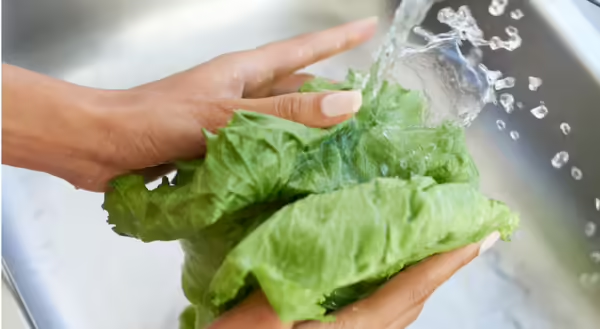
Rinse produce (not with soap): Before preparing or eating fruits and vegetables, wash them under cool running water.
Wash the prewashed or precut produce to be safe: With the current outbreak, the Centers for Disease Control and Prevention recommends washing produce even if it is labeled pre-washed. Commercial washing may not remove the parasite.
Scrub firm produce: Remember to scrub the outside of firm produce, such as melons and cucumbers, with a produce brush. Check out this video on washing a cantaloupe, if you are unsure how.
Cut away bruised or damaged parts of the produce. Use a sharp knife to remove any blemishes or other damage from the produce before preparing or eating it.
Take off the outer layers of fruits and veggies. Remove the outer layers of fruits and vegetables before eating. The Food and Drug Administration recommends removing two or three layers of the leafy greens.
Keep the kitchen clean. Clean kitchen countertops, utensils, and cutting boards with hot, soapy water to prevent the spread of harmful bacteria.
Use a food thermometer and aim for 158°F. The harmful parasite Cyclospora cannot survive at or above 158°F. If preparing cooked produce, cooking is the safest option to destroy the parasite.
Remember the two-hour rule. Refrigerate cut, peeled, or cooked fruits and vegetables within 2 hours. Keep them away from raw meat and seafood.
Won’t freezing kill Cyclospora?
Don't count on freezing to make contaminated produce safe. The Cyclospora parasite can survive freezing. The good news is that there are no current outbreaks linked to commercial frozen fruits or vegetables.
Have questions about food safety? Contact a local Extension office, and they’ll be happy to provide research-based answers you can trust!
Sources:
- Centers for Disease Control and Prevention. (2024, May 15). Signs and symptoms of cyclosporiasis. https://www.cdc.gov/cyclosporiasis/signs-symptoms/index.html
- Centers for Disease Control and Prevention. (2024, May 15). Prevention of cyclosporiasis. https://www.cdc.gov/cyclosporiasis/prevention/index.html
- U.S. Food and Drug Administration. (2025, February 19). Cyclosporiasis and fresh produce. https://www.fda.gov/food/foodborne-pathogens/cyclosporiasis-and-fresh-produce