Commercial Agriculture Blogs
Among the many topics making headlines in 2025, agricultural trade policy has been one of the most discussed and impactful for agricultural producers in central Illinois and across the United States. At the center of this has been tariffs on imported goods. There have been legal challenges to these...
Finish this story
As harvest concludes across Central Illinois, producers are focusing on storing their grain. For those in our region and throughout the Midwest, where corn and soybeans are the main crops, maintaining the grain's quality during winter is essential for protecting both quality and profitability....
Finish this story
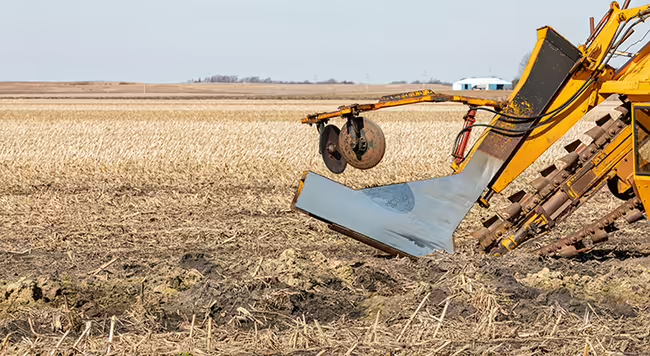
Fertilizer is a critical input for crop production, supplying essential nutrients that boost yields and support global food security. In recent years, however, fertilizer markets have experienced significant volatility. From 2020 to 2022, U.S. fertilizer prices more than doubled due to increasing...
Finish this story
Fall is a vital season for managing forage crops in Illinois. The choices producers make now can influence how well their fields endure the winter and how much feed will be available for livestock next year. Proper fall management helps protect soil, improve plant health, and prepare strong stands...
Finish this story
As harvest approaches, many producers across Central Illinois are asking the same question: How’s the crop looking? Estimating corn and soybean yields before the combine rolls is more than just curiosity—it’s a valuable tool for planning, marketing, and managing risk. While yield estimates aren’t...
Finish this story
Whether moving grain to market, delivering fertilizer, or shipping food products nationally and internationally, freight railroads are essential to American agriculture. With tracks spanning coast to coast and everywhere in between, freight railroads are just one part of the complex transportation...
Finish this story
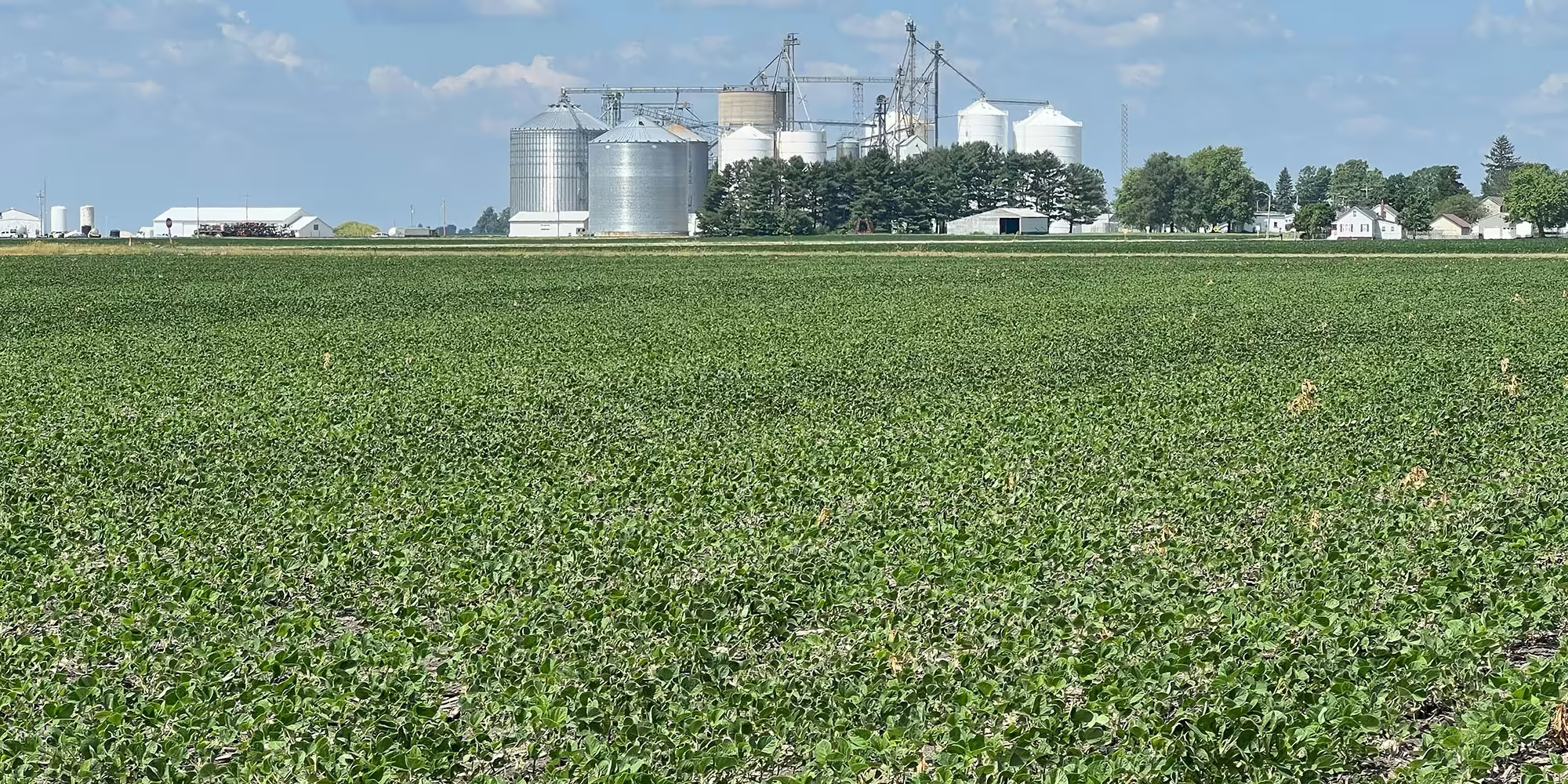
After a wet spring and early summer, corn and soybean fields across central Illinois are entering critical reproductive stages—and so is the risk of crop disease. While the plants may look healthy from the road, conditions are ripe for several fungal and soilborne pathogens to take hold, often...
Finish this story
After a wet spring and early summer, corn and soybean fields across central Illinois are entering critical reproductive stages—and so is the risk of crop disease. While the plants may look healthy from the road, conditions are ripe for several fungal and soilborne pathogens to take hold, often...
Finish this story
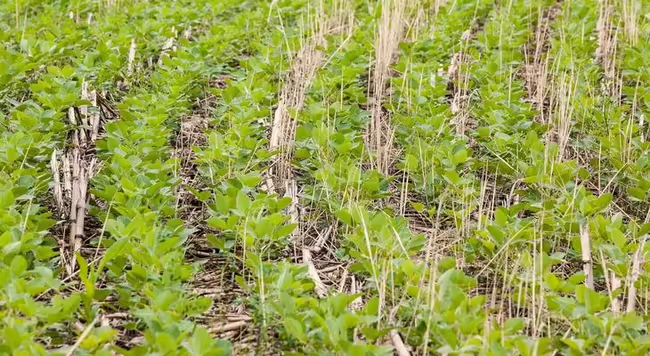
Agricultural producers across Central Illinois and the United States face numerous challenges and pressures on their operations. These can include policy changes, volatile market prices, fluctuating input costs, diseases and pests, and many other factors. Of extreme importance to crop producers is...
Finish this story
This post is the second in a two-part blog series on considerations for hay producers as they prepare for the first cutting of the season. While much of Illinois agriculture focuses on row crops such as corn and soybeans, hay producers play a vital role in supporting livestock production throughout...
Finish this story