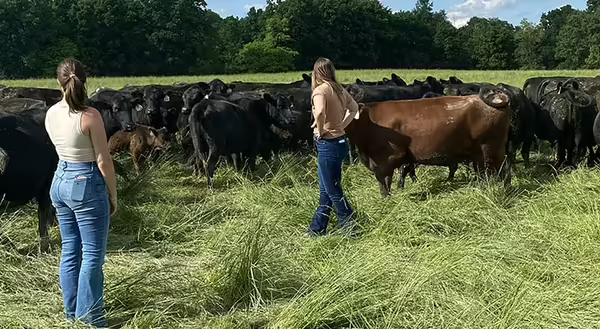
Herd rebuilding talks and a focus on shifting the beef cattle genetics conversation back to the cow, have more people asking questions about what makes an ideal cow. This question always spurs quite the debate. Factors like breed, cow size, milking ability, and a long list of phenotypes are discussed.
While I enjoy listening to the stance of different cattle breeders and cattle raisers on this topic, I tend to have a much broader view of the question. My approach to answering the question is simple and without much detail. Many times my response is met with a blank stare followed by a smile and a chuckle. So, when someone asks me, "What is your ideal cow?", I answer with a simple, short reply... one that makes money and doesn't try to kill you.
The great thing about the cattle business is that different kinds of cattle can be profitable. Cows that have the genetics to raise calves that grow and grade may be more important to the cattlemen that retains ownership or has their own meat label. Breed may be an important factor in ideal cow criteria if it impacts the ability to qualify for branded beef programs.
A commercial producer that sells calves at the local auction market may desire a low input cow that is middle of the road for frame and milk. This allows the ability to run more cows per acre and reap the benefits of more calves per acre, while still producing a product that the cattle buyer likes.
If you are a producer selling cattle into a niche market such as show cattle, then a bigger, stouter cow that has a demanding phenotype may be ideal, despite additional feed costs. Another niche market like grass-fed beef may require a totally different breed make-up and phenotype. This type of production environment may require small framed, lower milking cows that have been selected for performance on grass/forage only diets.
The ideal cow is not the same for everyone. Your environment and your market will dictate ideals. If your production environment or market is different than your neighbor, your ideal cow will be too. An easy way to tell if you are selecting the right cows is cow age. If your cows continue to breed, calve, and raise a valuable calf year-after-year, you have the right kind of cow. Tangent to this statement is the ability to control costs and labor needs, but that could be another entire article. I admire the passion that so many have for breeding the ideal cow for their ranch. For me, the ideal cow is the one that can make you the most money year-after-year... and won't try to kill you. Keep breeding good cows!
*Originally published in Progressive Cattle