October is nearly gone, and we have yet to experience a frost event in our area. Our lowest temperatures arrived in mid-October, bottomed out at 37 F, and have been consistently in the mid to lower 50s most nights. Daytime temperatures in the 70s and low humidity have made for excellent days to be working outside. A slow, soaking rain is very much needed as the soil moisture is depleted and our perennial crops with shallow root systems are suffering. Thankfully, showers are expected to start around November 1 and last for several days.
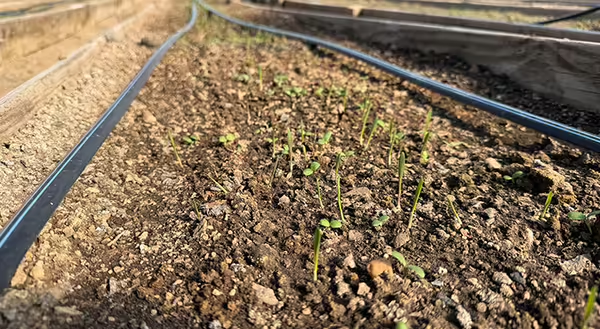
In the past month, summer crops and cut flowers were removed from the middle tunnel at DSAC and the 8 permanent raised beds were amended with compost to replenish diminished soil levels in the beds. A cover crop mix of crimson clover and bobby oats were broadcast seeded on October 21 at rates of 10 lbs/acre and 30 lbs/acre respectively. Prior to seeding, 30 lbs/acre of 12-12-12 complete fertilizer was tilled into each of the beds, and the beds were watered thoroughly for several days. Crimson clover seed germinated before the bobby oats, but as of today, October 28, seven days after seeding, a uniform stand of seedlings from both species was observed in all beds. Drip irrigation lines will be used to maintain soil moisture throughout the fall and winter months.
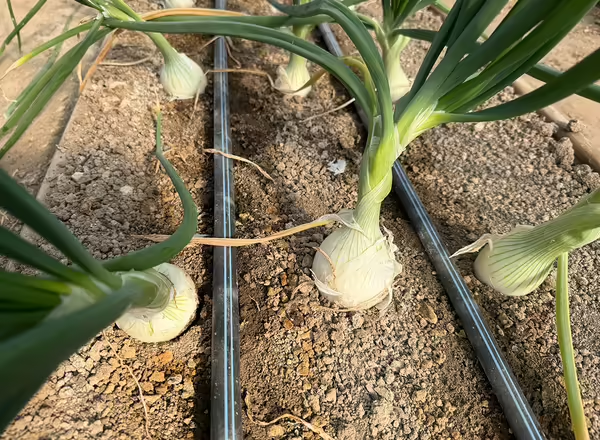
The late season onions transplanted around the third week of July are sizing nicely in the high tunnel. The plants seemed slow to take hold during the heat of August, but they have put on quite a bit of new green growth in the last few weeks. A few onions have been harvested in the last week, but we will wait until the temperature is forecast to drop below freezing or the tips of the leaves start to dry before harvesting the rest of the crop. Bell peppers are still being harvested and yielding high quality, large fruit.
Reports from strawberry plasticulture growers indicate that plants look great, and this is one of the best starts to the fall planted crop. Maintaining good bed moisture with drip irrigation, implementing a fall fungicide spray program, and protecting plants from deer and vole pressure are key management practices to successfully move the crop into dormancy. With our dry fall conditions, it can be expected deer will be drawn to the tender lush growth of the strawberries, and may require multiple deterrents including repellents (hair, soap, sprays), electric fencing with a step out wire, and nuisance permits.