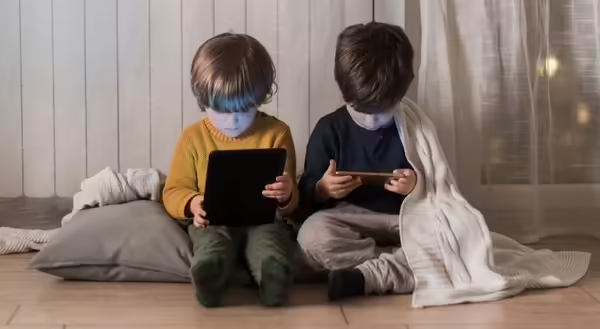
Technology is a constantly adapting and growing form of communication, education, and creation. Children and families spend hours on screens every day. How can parents monitor their child’s technology usage while ensuring safety, learning, and development? Is technology all evil, or can we foster positive human-screen interaction? The online world offers opportunities to connect with people across the world, advocate for personal beliefs or values, learn new skills, create a business on a virtual platform, etc. But cyberbullying, cyberstalking, violence, physical issues, and more can stem from using devices. It is important to teach your child ways to utilize screens with safe and healthful behaviors:
- Model healthy technology habits by limiting personal screen time, encouraging creative usage, and demonstrating how online resources can support learning and growth. Children are more likely to embrace healthy habits when they observe adults practicing balance.
- Nurture your child’s real-world relationships and experiences. To minimize your child’s screen time, encourage sleepovers, outside play, school or community involvement, or create family activities and new traditions. Children often grab their phone or tablet when they feel bored. Providing engaging alternatives can reduce reliance on devices while strengthening relationships and new experiences.
- Prioritize your child’s safety by supporting open communication about their emotional and mental well-being and online experiences. Discuss school, friendships, extracurricular activities, and any concerns with your child. Monitor grades, teachers’ complaints, invitations from friends, etc. Establish age-appropriate screen time limits, determine which apps and websites are appropriate, stop device use before bedtime, and create a family technology agreement that includes regular reviews of online activity.
- Encourage conversation about the effects of screens and social media to support reflection and critical thinking. Ask questions such as:
- How do you feel after using this app?
- What did you learn today?
- Why do you think this person shared this post?
- Does this picture seem realistic or edited?
- What message is this content sending?
The goal is not to eliminate technology from our lives but to teach children how to use it wisely, safely, and responsibly so they can thrive both online and offline.
Resources:
https://www.apa.org/topics/social-media-internet/technology-use-children
Erin Curley, McDonough County Extension Extra Help, BS in Human Development and Family Studies, University of Illinois, and BS in Accelerated Nursing at St. Louis University.
Tessa Hobbs-Curley, Tessa is a firm believer that her work in the human development field for the past 25 years makes an impact. She believes lifelong success starts with social and emotional learning, and she centers her work around this philosophy. Tessa is excited to serve as a coach for the Illinois Strong Couples project, which promotes essential skills for maintaining a strong relationship.
She has been instrumental in developing a resource titled Terrific Teachable Moments. When unexpected moments occur, parents and educators can rely on the Terrific Teachable Moments to offer convenient, meaningful ways to help youth develop emotional awareness and make positive character choices.
She earned a master's degree in human development counseling from the University of Illinois Springfield. Tessa also holds a certificate as a Licensed Clinical Professional Counselor. In addition, she is a COLORS matrix instructor, helping individuals assess their personalities and improve their communication skills.