Every Job Has Best Practices
In all professions, from astronauts to zookeepers and everything in between, we learn and perform tasks that, in our minds, are the best practices. Imagine you are a professional shower-tile installer, and I am a guy who learned to tile a shower on YouTube. If you were standing over me as I installed tile, you could point out all the common mistakes that drive you bananas. In other words, we all have pet peeves about the practices we learn on the job and how we observe others going about those same tasks.
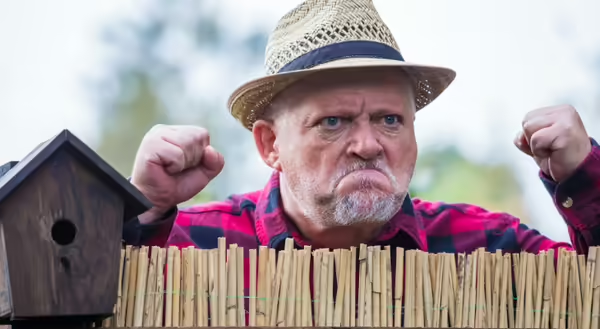
What irks me in the world of horticulture? Here are my top three horticultural pet peeves.
Tree Topping
This annoying landscape practice is not only bad for the long-term health of a tree; it's ugly! Most of us have accepted utility companies topping trees around power lines, where we have little to no say in the matter, but driving around numerous communities, I see topped trees nowhere near utility lines. There are even companies marketing their tree topping services.
Tree topping consists of cutting primary branches back to stubs at a uniform height. (Picture a buzz cut for a tree.) When a tree is topped, the growing points, leaves, and active buds are removed. To compensate for this loss of leaves and active buds, the tree activates latent buds in the tissue behind the bark. (Think of these as emergency backup leaves.) These dormant buds create a flush of twiggy growth, termed epicormic shoots or water sprouts, to replace the loss in photosynthesis from all the leaf cover that was removed. Water sprouts have a weak attachment to the tree and are at higher risk for damage from foul weather and pests. The wounds created from tree topping seal poorly and are openings for rot to begin.
Driving around a town in Central Illinois, there seems to be one street particularly fond of tree topping. During an intense windstorm a few years ago, many of these topped trees were damaged and still have hanging limbs in their canopy to this day. But the regrowth is so dense and twiggy you can’t see these “widow-makers” until the leaves fall.
Grass in the Street and Mowing Ditches
Okay, technically, these are two annoyances lumped under one heading. However, the linking factor is the discharge of debris into our storm drainage ways. My wife will attest to my lamenting as we drive by yards where grass clippings are blown on the road, and the all-too-common sight of mowers in the ditch. Often my tirade is met with a roll of her eyes or a change of subject.
My primary reason to minimize ditch mowing is that longer vegetation creates more friction, slowing water, so it drops sediment and doesn’t carry our soil into streams and rivers.
Another water quality issue arises when lawn clippings wash down a storm sewer. Cut lawn debris adds excessive nutrients and potential pesticides to our waterways, degrading these systems.
Leaving clippings on your lawn replaces nitrogen in the soil. This extra boost of nitrogen is enough to supplement one application of fertilizer per year. If there are excess clippings, don’t blow them into the street to be someone else’s problem. Rake up the piles of clippings and put them into the compost pile.
The Leaves are on Fire!
And finally, my most frequent vexation this time of year: burning leaves. I am grateful most towns in Illinois have made it illegal to burn leaves in city limits, but there is still lots of leaf burning in the countryside. Leaves are rich in carbon and potential energy that can compost back into the soil, promoting healthy soil biology and recycling nutrients to plant roots. Many of those lovely benefits are lost in the choking black smoke when we burn leaves.
My favorite use for fall leaves is to shred them, then spread the shredded leaves in my shade garden as mulch. By next fall, the leaves will have decomposed back into the soil, and the process begins again.
These pet peeves are landscape practices so common that a wager most readers have performed them would be a sound bet. I am thankful that I make my living in the field of horticulture, mostly because I owe my wife a lot of flowers after a shower tile debacle.
Good Growing Tip of the Week: Mulching mowers are a good tool to help shred leaves and grass clippings back to the lawn. However, most mower decks are not designed specifically for mulching, and sometimes multiple passes are needed to adequately shred the material.
Thank you for reading!
Sign up for our emails! Want to get notified when new Good Growing posts are available? SIGN ME UP
Give us feedback! How helpful was this information (click one): Very helpful | Somewhat helpful | Not very helpful
MEET THE AUTHOR
Chris Enroth is a horticulture educator with University of Illinois Extension, serving Henderson, McDonough, Knox, and Warren counties since 2012. Chris provides horticulture programming with an emphasis on the home gardener, landscape maintenance personnel, and commercial landscapers. Additional responsibilities include coordinating local county Master Gardener and Master Naturalist volunteers - providing their training, continuing education, advanced training, seasonal events, and organizing community outreach programs for horticulture and conservation assistance/education. In his spare time, Chris enjoys the outdoors, lounging in the garden among the flowers (weeds to most).