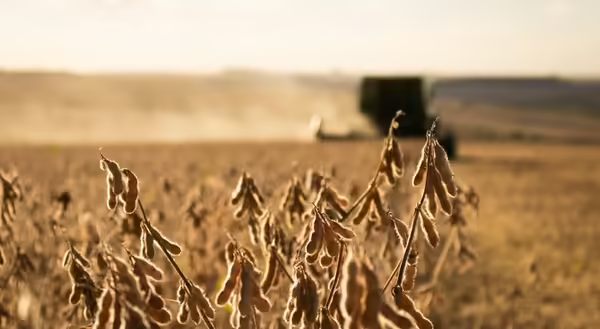
Harvest is underway as Illinois farmers and growers work to bring in the crops they have spent an entire season protecting from insects, diseases, and weeds. Before harvesting a field, take a moment to confirm that you have passed the pre-harvest interval (PHI) for any pesticides that were applied. Be especially cautious with late-season fungicides, insecticides, harvest aids, and products with longer PHIs. Failure to follow a product's PHI can result in excessive pesticide residues that may prevent a crop from being sold or exported. Violations can also lead to regulatory action and monetary penalties.
The term "pre-harvest interval" should be familiar to anyone who holds a pesticide license, as it is part of the core content for pesticide certification and licensing. A PHI is the minimum number of days that must pass between a pesticide application and the legal harvest of the treated crop. The purpose of a PHI is to provide time for pesticide residues to degrade below the tolerance limits established by the U.S. Environmental Protection Agency (EPA). This helps reduce potential health risks associated with pesticide residues on food.
When applicable, PHIs are listed on the pesticide label under the Directions for Use section. PHIs vary by product and by the crops to which a single product is applied. Because of this, always consult the pesticide label for crop-specific PHI requirements and ensure the PHI will expire before the anticipated harvest date. Other practices that can help prevent PHI violations include maintaining accurate pesticide application records and communicating with any custom application clients about PHIs and other label restrictions
The Illinois Department of Agriculture (IDOA) can investigate and take enforcement action when PHI violations occur. In a recent case, a farmer applied a harvest aid to an uneven stand of soybeans to qualify for an early-delivery incentive. The harvest aid carried a 15-day PHI, but the soybeans were harvested just seven days after application. After reviewing the circumstances, IDOA issued a warning letter to the applicator and has increased its focus on PHIs during inspections and pesticide misuse investigations.
Pre-harvest intervals are more than label requirements. They are an essential component of responsible pesticide stewardship and the production of safe, marketable crops.
Photo credit: AdobeStock by Raquel
ABOUT THE AUTHOR: Travis Cleveland provides subject matter expertise and training in pesticide safety with an emphasis on plant pathology.