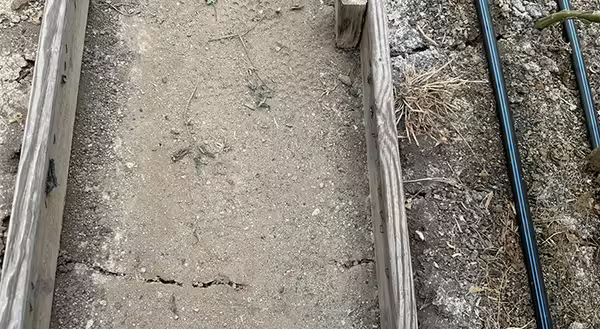
The relentless heat and humidity of September are finally over. Lack of soil moisture and continued high temperatures created many noticeable cracks in the soil within the high tunnels at DSAC this past month. Cooler temperatures and forecasted rain are much needed, especially for fall crops. We have begun to remove tomato plants from one of our tunnels and plan to seed that tunnel back to cover crops within the next couple of weeks. The beds will definitely need to be soaked and a third line of drip irrigation tape will be added to each of the beds to ensure even, saturated soil moisture before seeding. The addition of compost will be needed ahead of watering and seeding in order to bring the soil level back to the top of the boards for each of the raised beds.
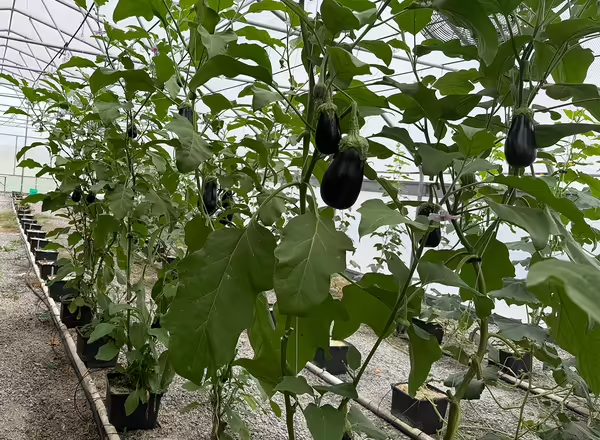
Pepper harvest was steady through September and at least one more large harvest is expected before the end of October. In the hydroponic tunnel, cucumbers, eggplant, and cantaloupe are still being harvested. The determinate tomatoes in the variety trial set late season flower clusters and those fruit have been ripening over the past couple of weeks. While the fruit load is nothing compared to the main season crop on these plants, fruit size and quality have been consistent. The late season onions are starting to size a bit even though the worms find their green tops to be quite tasty.
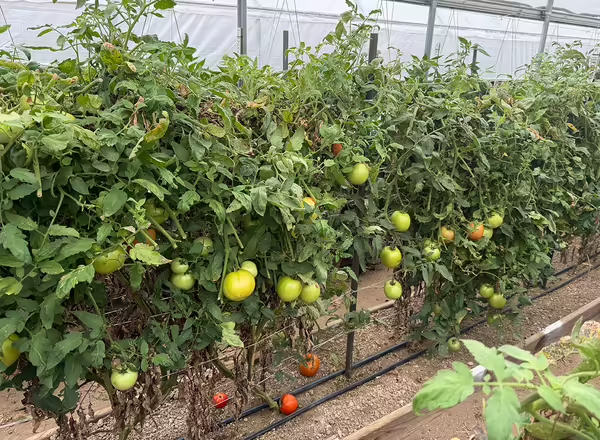
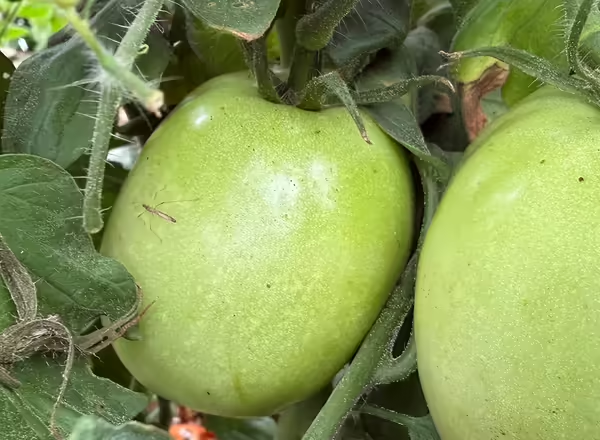
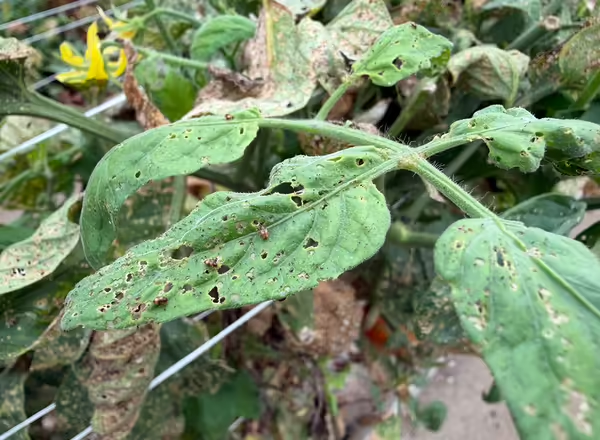
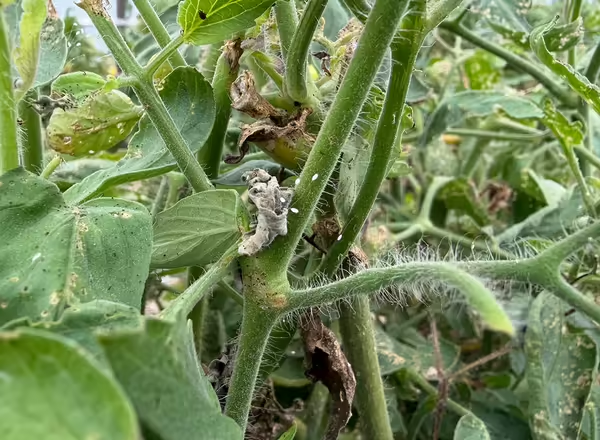
September definitely brought us an abundance of insects, as they didn’t seem to be affected by the heat in the least bit. Worms, mainly tomato fruit worm, aphids, and stink bugs had been present all season and numbers continued to climb in September. Stilt bug numbers seemed to have increased dramatically over the past month, so much so, that they are easily seen within the plants and their feeding damage can be seen even on green fruit. Stilt bug feeding on tomatoes is similar to stink bug feeding damage but less pronounced. Flea beetle pressure is also very high, with the pin hole feeding damage on tomato leaves being very noticeable. On a positive note, lace wing populations also remained present and helped to keep aphid numbers somewhat in check.