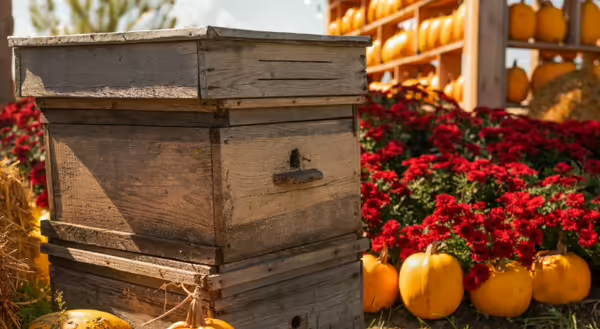
As you sit around the Thanksgiving table and chat about everything you are thankful for this year, consider adding pollinators to that list since many of the dishes around you wouldn’t be possible without these flying insects. Yes, those little creatures buzzing around all summer and visiting the blooming plants in your garden, sometimes interrupting a peaceful evening outdoors. Ingredients in many of these holiday dishes rely, either directly or indirectly, on insect pollinators, like flies, bees, beetles, and butterflies, to produce a bountiful harvest.
How many dishes at your Thanksgiving meal rely on pollinators?
Pumpkins are the staple of many desserts, including pumpkin pie, bread, bars, and cookies. Illinois is the top pumpkin-producing state, with an estimated 16,000 acres planted annually. These warm-weather-loving fruits are planted in late spring and grow vines up to 10 feet long, producing an abundance of yellow flowers.
Pumpkin blossoms must be pollinated by bees, which transfer pollen from the male flowers to the female flowers, for healthy fruits to develop in fall. While some pumpkins are better served as decoration, there are many varieties that are desirable for baking with smooth, sugary flesh.
Apples are a popular fall flavor, including fresh cider and homemade pie. Apple trees are a common backyard fruit tree and an important orchard crop grown throughout Illinois. The trees require timely care and management for a productive harvest.
They also require cross-pollination to produce fruit. Bees, flies, and other pollinating insects must transfer pollen from one apple tree to a different compatible cultivar for fruit to develop. Apple trees with poor pollination have deformed fruit or fruit that drops from the tree before it matures.
Cranberries are a common holiday fruit, whether that’s in sauce atop a slice of roasted turkey, a garnish to a festive drink, or a colorful addition to a tasty dessert. Cranberry plants are low-growing woody shrubs that produce a mat of runners along the soil surface.
The uniquely shaped flowers, resembling the beak of a bird, are visited by bees that assist with pollination, allowing fruit to develop. Successful pollination creates crisp red berries with internal air pockets that allow the fruit to float. While mature berries can be dry-harvested with mechanical pickers, many are harvested by flooding the field, loosening the berries from the plants, and collecting them as they float across the water.
Fresh herbs from the garden flavor many warm Thanksgiving dishes. What would turkey or dressing be without sage, rosemary, and thyme? Sometimes gardeners remove herb flowers to encourage better foliage production and flavor; however, many herb flowers are favorites of pollinators, which help fertilize the flowers and produce viable seeds. Coriander, fennel, and dill seeds can be used in a variety of dishes, while other seeds can be harvested and saved to plant in the garden next year.
Without pollinators, we wouldn’t be able to enjoy many of the fresh flavors and foods this holiday. Consider making your backyard a little more pollinator-friendly this year. Plant a pollinator garden with flowers that bloom from early spring through fall; turn off outdoor lights at night to avoid disrupting night-flying pollinators; allow a few beneficial “weeds” to grow in your lawn or garden, such as clover and dandelions; and offer a shallow water source to help butterflies stay hydrated.
This Thanksgiving, as you enjoy pumpkin pie, apple cider, cranberry sauce, and herb-seasoned dishes, remember the pollinators that helped bring them to your table. A few minor changes in your landscape can help keep these important insects thriving for years to come.