Halloween is right around the corner, and festive décor is lining streets and front yards. Talking skeletons, glowing pumpkins, giant spiders, and ghostly figures transform neighborhoods into spooky scenes. But some of the creepiest sights may already be growing in the landscape. Plants with eerie names like witch hazel, bloodroot, corpse flower, wolfsbane, and deadly nightshade can sound intimidating enough on their own. Yet names aren't the only frightening thing about plants. Some species have strange appearances that can make your skin crawl, while others contain toxins that can harm people or pets. As you enter the garden this Halloween season, beware of the botanical oddities lurking among the flowers and shrubs.
Many garden plants provide colorful blooms and attractive foliage that bring beauty and delight to the landscape. Others possess unusual features that make them look more threatening than welcoming.
Rattlesnake master, an Illinois native that is worthwhile having in the garden, produces spiky blue-gray leaves and globe-shaped flowers that resemble a prickly weapon more than a garden specimen.
Prickly pear cactus, another Illinois native, is a true cactus that forms clumps of green pads armed with barbed bristles and sharp spines. An accidental brush against the plant can leave an unwelcome reminder of its defenses, but the bright yellow blooms are a hot spot for early summer pollinators.
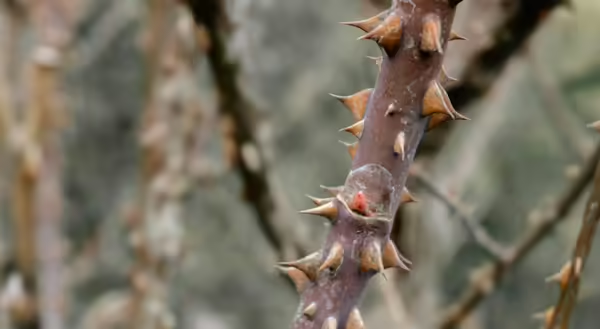
Devil's walkingstick lives up to its sinister name. This large shrub or small tree is covered with stout thorns along its stems and branches, creating a compelling presence in the landscape.
Black mondo grass offers a different kind of creepiness. Its strappy, nearly black foliage resembles something pulled from a haunted garden, while spikes of white flowers provide a striking contrast during summer.
Plants have also evolved various forms of chemical defense to deter hungry insects and grazing animals. While some species may only cause mild skin irritation, others can be highly toxic if ingested.
Castor beans are often grown for their bold, tropical appearance, featuring large leaves and colorful seed pods. Despite its ornamental appeal, all parts of the plant are highly toxic.
Foxglove produces tall spikes covered with bell-shaped flowers that attract pollinators and gardeners alike. However, every part of the plant contains toxins, and the fuzzy foliage may cause skin irritation in sensitive individuals.
Lily-of-the-valley is cherished for its sweet fragrance and delicate white flowers in spring. Despite its innocent appearance and symbolism of purity and renewal, all parts of the plant are toxic to both people and pets.
White snakeroot produces clusters of small white flowers in late summer and fall. It is historically associated with milk sickness, a poisoning that occurred when livestock consumed the plant. Historians believe this condition led to the death of Abraham Lincoln's mother.
While October brings an abundance of spooky decorations and costumes, these eerie plants can add their own touch of mystery to the landscape throughout the year. Remember to appreciate the fascinating adaptations that make them both beautiful and a little bit frightening.