Occasionally, even for the most experienced vegetable or cut flower gardener, some summers shape up to be so busy that it’s hard to make time for growing things – except maybe weeds.
Between things like kids’ summer sports commitments, family medical issues, or once-in-a-lifetime vacations, life happens, and the garden gets put on the back burner for a year. Sometimes these events are unforeseen. But other times, they’re known for months ahead of time. If next spring the calendar shows a jam-packed summer, consider taking a growing season off and rejuvenating your soil, body, and mind with summer cover crops.
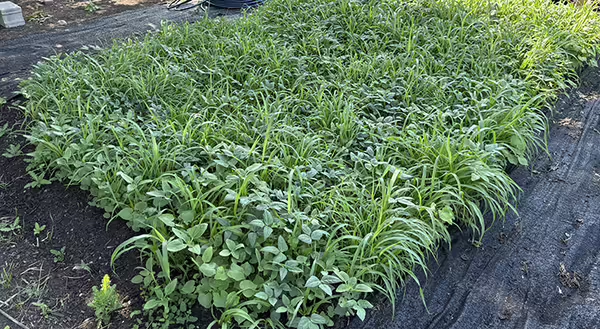
Summer cover crops are not widely utilized, but those that use them know their benefits are extensive. Once established, a mix of summer cover crop plants can:
germinate and grow quickly to outcompete common summer annual weeds
create a shady canopy that shields garden soils from heatwaves
break up compacted garden beds for easier future gardening
attract beneficial garden insects including pollinators
attract birds, such as goldfinch, hummingbird, and others
“grow” nitrogen fertilizer in place and make it available to future garden crops
Source these three cover crop species at the suggested rates early next spring to plant in late May if a summer off for yourself and your garden is desired. They can be ordered at local garden centers to save on shipping from seed dealers. Rate is given per 1000 square feet for a total of 5 pounds of seed.
Cowpea (otherwise called black-eyed pea): 2 pounds
Japanese or Pearl Millet (two different but similar species): 2 pounds
Black oil sunflower: 1 pound
Directions: clear garden surface of all vegetation, then loosen target area soil with a rototiller, broadfork, potato fork, or heavy-duty rake. Mix all seeds in a bucket or pail. Broadcast seed evenly as possible by hand over target area. Top-dress your cover crop with ¼-½” of straw, or compost. Finally, water evenly every other day until plants are 6” tall.
Once summer cover crops are established, kick back, relax, and recharge. As a wise man once said, “Rest before you are tired.”
Once plants are waist-high, begin observing them more closely for interesting insects, birds, pollinators and more. Check back frequently as species of interest will change week to week throughout the summer.
All three suggested cover crop plants are killed by frost. Next spring, simply lay down the residue on the soil and transplant through it. This will create an in-place mulch to suppress weeds to start your next garden season. Your soil, body, and mind will thank you.