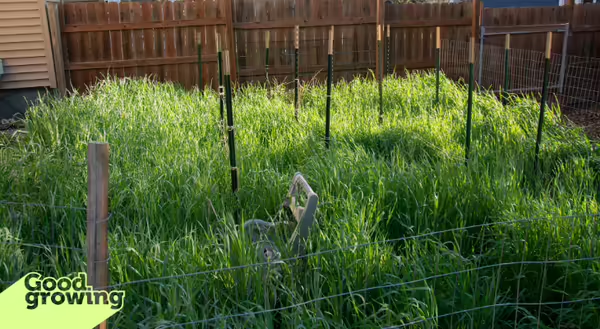
Cover crops have been used for thousands of years and have seen a resurgence in recent years. While we usually think of cover crops in production agriculture, they can also be used in home gardens. By keeping living plants growing in the soil when vegetables are not, gardeners can build healthier, more productive garden beds over time.
What are cover crops?
A cover crop is a plant grown primarily to benefit the soil rather than for harvest. They can be used in a variety of ways, such as protecting bare soil, increasing soil organic matter, suppressing weeds, scavenging nutrients, and improving soil structure. Some cover crops can even add nitrogen to the soil for future crops.
Keeping roots in the ground is one of the biggest advantages of cover crops. Plant roots support beneficial soil organisms and help improve soil structure. While cover crops may not be an instant solution for poor soils, using them consistently over several years can lead to improvements.
Types of Cover Crops
Cover crops generally fall into three groups:
Grasses
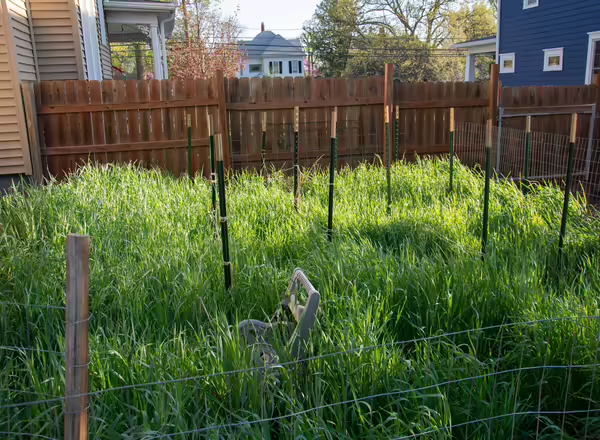
Grasses, such as cereal rye and oats, produce extensive root systems and large amounts of biomass. They are especially useful for weed suppression, erosion control, and building organic matter.
Legumes
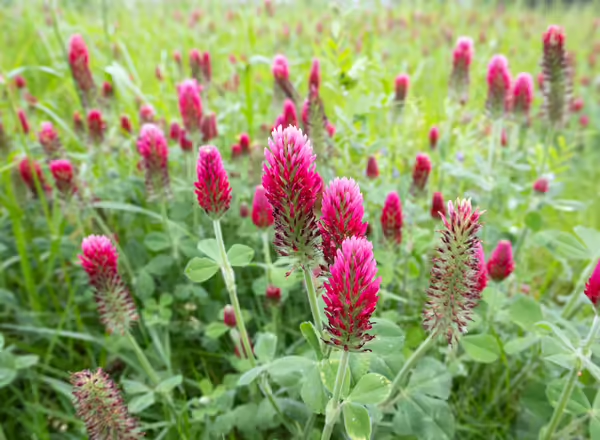
Legumes, such as crimson clover and field peas, form a symbiotic relationship with nitrogen-fixing bacteria to capture atmospheric nitrogen and convert it into a form plants can use, helping improve soil fertility.
Brassicas
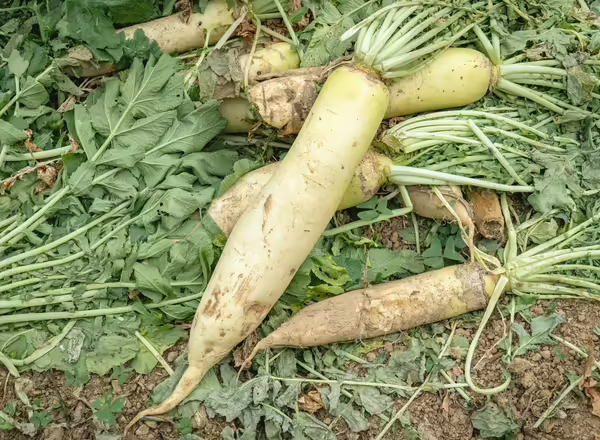
Brassica cover crops, such as tillage radish and turnips, can produce deep taproots that help break up compacted soil, improving water infiltration and bringing nutrients from deeper in the soil closer to the surface.
Choosing and planting cover crops
Before selecting a cover crop, consider what problem you are trying to address. Are you looking to add nitrogen, suppress weeds, improve soil structure, reduce erosion, or increase organic matter? Different cover crops will provide different benefits. If you’re trying to achieve multiple goals, consider using a cover crop mix.
If you are new to cover crops, start small. Try one raised bed or a small section of your garden before expanding. This allows you to learn how the cover crop fits into your gardening routine.
Many gardeners start with cool-season cover crops. Popular options include cereal rye, oats, crimson clover, field peas, and tillage radish. Some species, such as oats, peas, and tillage radish, are winter-killed once cold temperatures arrive and will leave behind a layer of mulch. Others, such as cereal rye and crimson clover, survive winter and must be terminated in spring.
When planting cover crops, good seed-to-soil contact is important. Lightly raking or cultivating the soil before seeding can improve germination. Seeds can be broadcast by hand or with a spreader. After planting, make sure plants have adequate water to establish.
While cool-season cover crops are typically planted after vegetable plants have been removed, they can be broadcast under vegetable plants in early fall. Once the vegetables are removed after frost, the cover crop is already established and ready to grow.
Terminating cover crops
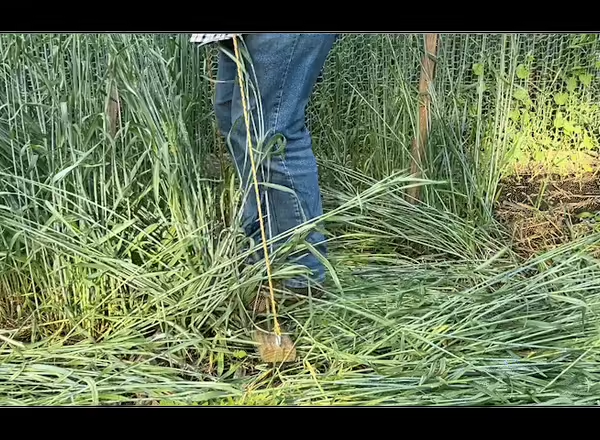
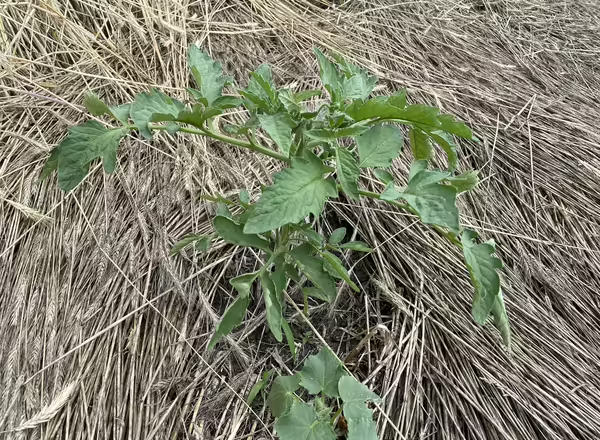
If cover crops aren’t winter-killed, they will need to be terminated before planting your desired crop. This can be done in a variety of ways, including mowing, crimping, cultivation, tarping, or incorporating the plants into the soil. Timing is important; cover crops should be terminated before they produce seed to prevent them from becoming weeds themselves.
After termination, allow two to three weeks before planting. This allows plant residue to begin decomposing and reduces the chance that nutrients, particularly nitrogen, become temporarily tied up.
Potential challenges
Like many gardening practices, cover crops can have their drawbacks. Crop residues on the surface (mulch) and in the soil can make direct seeding more difficult. Cover crops used as mulch may also provide habitat for pests. Cover crops may also require more work and planning early in the growing season. Despite these challenges, cover crops are one of the most effective tools gardeners can use to improve soil health over time.
Good Growing Tip of the Week: Cover crops can also be planted for summer use. Warm-season cover crops, such as buckwheat and cowpeas, are planted in spring or summer and grow rapidly during warm weather.
For more information
Cover Crop Decision Tool (Midwest Cover Crops Council)
Types of Cover Crops for Use in Home Vegetable Gardens (Iowa State University)
Photos
Crimson clover - Formatoriginal, AdobeStock
Tillage radish - Nuzul, AdobeStock
Cereal rye - Ken Johnson, University of Illinois Extension
Tomato plant in rye - Ken Johnson, University of Illinois Extension
Want to get notified when new Good Growing posts are available? SIGN ME UP!
Give us feedback! How helpful was this information (click one): Very helpful | Somewhat helpful | Not very helpful
MEET THE AUTHOR
Ken Johnson is a Horticulture Educator with University of Illinois Extension, serving Calhoun, Cass, Greene, Morgan, and Scott counties since 2013. Ken provides horticulture programming with an emphasis on fruit and vegetable production, pest management, and beneficial insects. Through his programming, he aims to increase backyard food production and foster a greater appreciation of insects.