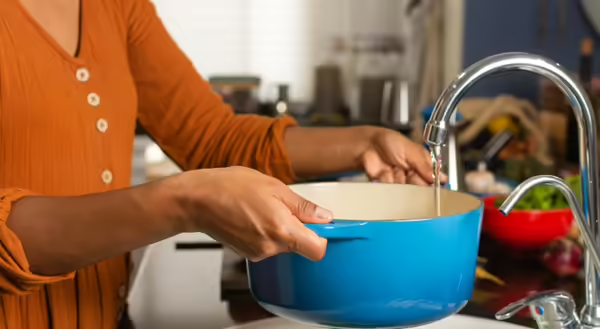
Many areas of Illinois are experiencing effects of little rain in 2025. This includes a community I work in that is asking its residents to practice water conservation. Beyond not using lawn irrigation and taking shorter showers, there are also ways to limit water usage in the kitchen and during cooking.
Still Wash Hands and Be Food-Safe
Washing hands before and while preparing food reduces the risk of foodborne illnesses. Reduce water by turning on the faucet just long enough to wet hands and then turn off. Add soap and scrub for 10-15 seconds. Then turn the water back on to rinse off your hands.
Fruits and vegetables should be rinsed for 20 seconds before eating or cooking. The friction of running water on produce is helpful to push off soil and bacteria and other microbes, so rinsing for a shorter time is not recommended. Instead, maximize the water you do use and wash all the fruits and vegetables for a meal at the same time, such as by adding all produce to a colander.
Instead of thawing meat under running water, chose to defrost in a refrigerator or another safe, low-water thawing method.
"Dry" Cook Foods
Choose a low-water cooking method.
For meat, try grilling, smoking, or stir-frying instead of "wet" methods like slow cooking, braising, or stewing.
For vegetables, choose stir-frying, roasting, microwaving, and steaming instead of boiling.
For grains, boil pasta in less water or try a "one pot" pasta recipe that uses just enough water and sauce to cook the pasta. If you like to rinse rice before cooking, add rice and water to a bowl and mix to rinse off debris and extra starch instead of rinsing under running water. Use milk and/or yogurt and make overnight oats instead of cooking oats in water. If you prefer hot oatmeal like me, use milk only and microwave or heat the soaked oats on the stovetop.
Explore low-water recipes.
Sheet pan meals, where a full meal is cooked on a sheet pan, make for a great low-water recipe. Stir fry recipes with veggies, meat, or tofu also use little water. And one-pot pasta recipes save water and use few dishes.
Lean into Convenience
As mentioned, fresh fruits and vegetables should be washed before eating. To limit water usage, replace fresh with canned, frozen, and dried produce and pre-cut fresh fruits, veggies, and salad greens at meals and snacks. Since these foods are already washed, cut, and packaged, you only need to open the container, cook (if it's a food that needs cooking), and eat. No extra water needed. Preserving methods like canning and freezing don't substantially change vitamin and mineral amounts in produce, so know they are still very nutritious foods.
Repurpose Cooking Water
If multiple foods need to be cooked with water - such as boiled or steamed - cook those foods using the same water. For example, boil pasta and add vegetables for the recipe in the last few minutes of cooking. Or use a slotted spoon or another tool to remove cooked food from the water and add the next food. When I make my cold sesame peanut noodles, both the pasta and edamame need to be boiled. I cook my pasta first, remove the pasta without draining, and add the edamame to cook next.
Shift Food Waste to Composting
During this time of water conservation, limit use of a garbage disposal since these need water to properly chop food and move the slurry through the plumbing system. Instead, find a composting method that works for your home.
Evaluate Dish Washing Techniques
If your home has an electric dishwasher, run it when full. Compared to handwashing, dishwashers use less total water.
If handwashing dishes, fill the washing sink with less water to start, rinse soap off dishes in batches rather than piece by piece, and do not run the faucet continuously while doing dishes. If you have multiple sink compartments or space to fill a separate basin, fill with plain water and dunk soapy dishes to rinse off instead of rinsing under running water.
Buy or Grow "Low Water" Foods
While this might not reduce water usage in your community, learn about the idea of "water footprint" or the amount of water you use. Foods also have a water footprint. Animals raised for meat require a lot of water compared to plants like beans and grains. Choosing smaller portions of meat, choosing more plant foods, and buying local may help conserve water.
If you are interested in growing your own food, gardening experts from Illinois Extension can help you reduce water in the garden. Check out information on rain gardens, self-watering containers, and drip irrigation.
Want to Protect Water Sources? Become a Watershed Steward
The Illinois-Indiana Master Watershed Steward program educates individuals to assist and support the protection and preservation of our water resources. Learn more at Watershed Steward.
References:
- Does freezing destroy nutrients?, USDA, 2025
- Fighting climate change at the sink: A guide to greener dishwashing, University of Michigan, 2020
- Illinois State Water Survey, Prairie Research Institute, University of Illinois
- The case for home canning, Home canning basics, University of Minnesota Extension, 2021
- Water Footprint, Food for Thought, University of Illinois
- Water Footprint at the Grocery, University of Florida Extension, 2025
About the Author: Caitlin Mellendorf is an Illinois Extension Nutrition and Wellness Educator serving DeWitt, Macon and Piatt Counties in Central Illinois. She is a Registered Dietitian and her work focuses on helping community members gain the knowledge, skills and tools to live healthier, more nutritious lifestyles. This includes providing programs and answering questions about heart health, diabetes, food safety, food preservation, grocery shopping and cooking. You can reach Caitlin by email at chuth2@illinois.edu or call 217.877.6042.