Partnerships are a big part of Illinois Extension programs. This one started more than five years ago with a conversation about deer hunting and turned into recipes, videos, a webinar, and Hunters Feeding Illinois. As someone who did not grow up hunting, I have learned so much and appreciate this sport that also feeds.
Nutrition
Nutritionally, a 3-ounce portion of cooked venison is a source of protein and vitamins and minerals, including vitamins K and B-12 and minerals like iron, zinc, and choline. Wild venison is a lean (low-fat) meat and, like other meats, contains no carbohydrates or fiber.
Shopping & Cost
Wild game, like deer, cannot be sold in Illinois (520 ILCS 5/ Wildlife Code). Many beef and pork meat processors in Illinois dedicate space in the winter months to process harvested deer during hunting season. Contact a local meat processor for processing prices.
Deer meat sticks or jerky sold in grocery and convenience stores are prepared from farmed deer, rather than wild deer. Prices will vary between brands.
Storage
If harvested deer is prepared at a meat processor, venison will typically be packaged frozen. Once at home, keep frozen at 0°F or colder and use within 3-6 months for best quality. As long as the meat is stored frozen, it will be safe to eat after 6 months but the quality may decrease and show signs of freezer burn.
If processing harvested deer at home, refer to information from Illinois Learn to Hunt. Start with information on field dressing and read After Your Harvest or watch their video demonstration, How to Field Dress a Deer. Then view steps from their How to process a deer? playlist.
Preparation & Cooking
Temperatures
- Thaw. If frozen, thaw venison in a refrigerator at 41°F or colder. Other thawing options can be safe too, but do not thaw meat at room temperature.
- Cooking Temperatures. As wild game may be exposed to diseases and parasites not common in farm-raised animals, cook venison to 165°F to reduce the risk of foodborne illnesses.
- Leftovers. Refrigerate venison within 2 hours of cooking. Use leftovers within 3-4 days or freeze for longer storage. Reheat leftovers to 165°F.
Cooking Techniques
- Gamey Flavors. Deer in Illinois often feed on corn and soybean fields, resulting in mild meat. But if the meat has stronger (gamey) flavors, marinate the meat or include herbs and spices in recipes to mask the gamey flavor. Avoid marinating longer than 24 hours, which can result in mushy meat.
- Tough Meat. Since venison is a lean (low-fat) protein, cooking to 165°F can lead to dried-out or tough meat. Try these three tips:
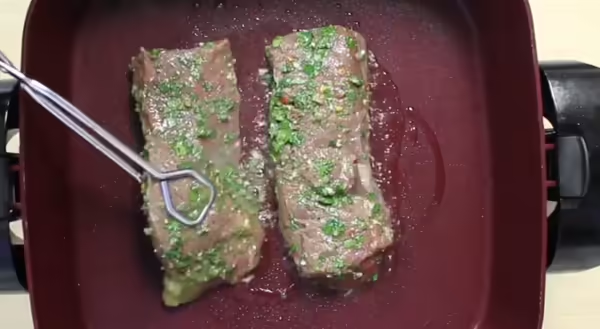
- Brine or marinate venison steaks to help the meat retain more meat juices. Then, cut against the grain of the meat. “Grain” refers to the direction the meat muscle fibers run. Cutting in the opposite direction of the grain can cut the muscle fibers shorter and give the perception of more tender meat.
- Cook with ground venison which is cut very small and remains tender.
- Make recipes with a slow cooker. Long cooking at low temperatures helps to break down connective tissues that result in tender meat.
Eating and Preservation
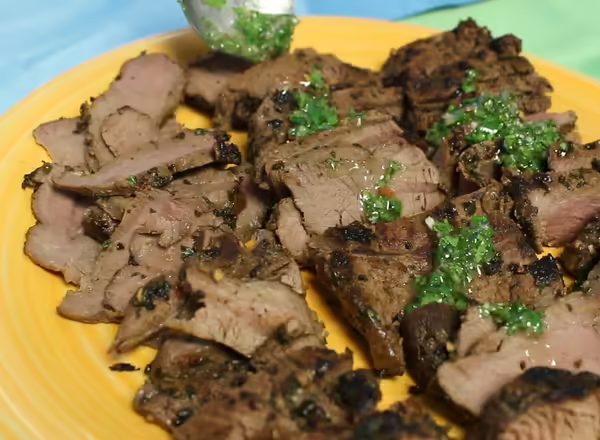
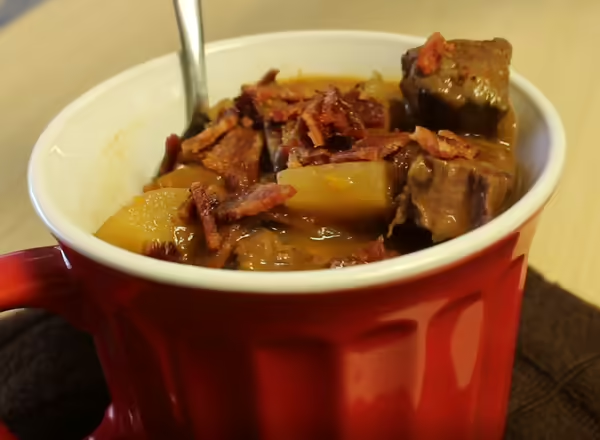
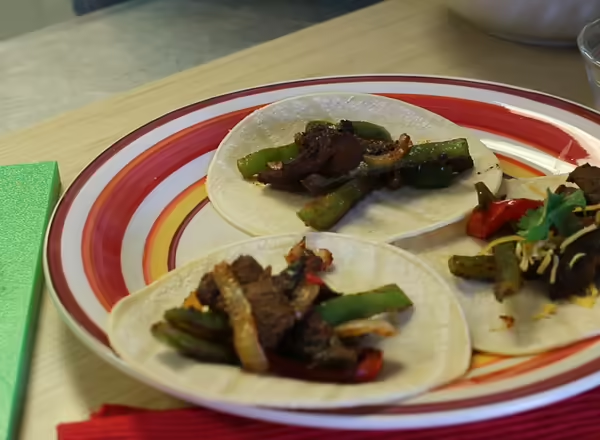
- Recipes. Venison is a great substitute for your favorite beef recipes. Try the three recipes in this blog post and find ground venison recipes at our Cooking with Venison page.
- Preserve. Use instructions from the National Center for Home Food Preservation for canning venison and making venison jerky.
References:
- FoodData Central. Agricultural Research Service. USDA.
- Freezing and Canning Venison, Ohio State University Extension, 2019
- Cooking venison for flavor and safety, University of Minnesota Extension, 2018
Post originally published in 2019; content updated in 2025.
About the Author: Caitlin Mellendorf is an Illinois Extension Nutrition and Wellness Educator serving DeWitt, Macon and Piatt Counties in Central Illinois. She is a Registered Dietitian and her work focuses on helping community members gain the knowledge, skills and tools to live healthier, more nutritious lifestyles. This includes providing programs and answering questions about heart health, diabetes, food safety, food preservation, grocery shopping and cooking. You can reach Caitlin by email at chuth2@illinois.edu or call 217.877.6042.