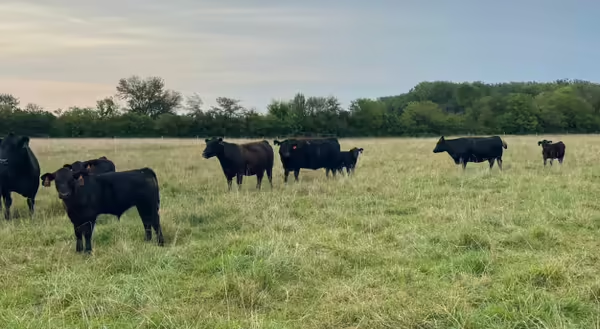
We all want a future where the land continues to be productive and supportive of agriculture. And as cattle producers, you’ve probably heard about using rotational grazing to improve soil health. But adoption remains limited. It’s not because producers don’t want healthy soil, but because implementation is challenging. Understanding these barriers and the often-overlooked benefits of rotational grazing paints a more complete picture.
What’s Holding Producers Back?
The biggest barrier is management. Rotational grazing requires willingness to graze and raise cattle in a completely different way than before. Rather than only measuring performance through average daily gains, producers should also look at metrics such as forage utilization and pounds of beef produced per acre to quantify productivity. Producers must become experts not just in animal science, but forage and pasture management. Luckily today, we have access to resources explaining what to look for, how to implement these systems, and testimonials or advice from real cattlemen making it work. Another big hurdle is water access and infrastructure. Cattle need reliable access to water throughout the grazing system, which can require extra tanks and redesigning ponds and paddock systems. Initial water infrastructure and fencing costs are real and that’s why programs such as EQIP and CSP can be helpful. Finally, many producers get caught up in setting an exact schedule with “x” number of days, and when that doesn’t work it’s easy to quit. Instead, producers need to be flexible and develop optimal rotations through observing forage recovery and weather conditions. These management concerns and the labor to make it happen are real challenges, but that’s what makes the hidden benefits so much more worthwhile.
Getting More from the Forage You Already Grow
In a continuous grazing system, selective grazing of favorite plants can lead to forage being grazed too low in some patches and trampling of untouched mature forages. Cattle will always try to spend more time in the shade, by the water, or near the minerals. But in smaller paddocks, they graze more of the pasture. This more uniform grazing decreases forage waste and more of the forage produced is actually consumed. In these systems, cattle spread manure, urine, and organic matter evenly across the pasture. Even nutrient distribution fosters better pasture regrowth, and resting paddocks have time to fully recover. Producers can even stockpile in some paddocks, extending their grazing season. Through rotational grazing, producers have the potential to increase their carrying capacity without increasing acres and decrease their feed costs.
Healthier Livestock Through Better Pasture Management
One of the hidden biological impacts of rotational grazing is reducing parasite pressure. By rotating paddocks, cattle spend less time in heavily contaminated manure zones, and the parasite life cycle is interrupted. Regions of Illinois, especially in wetter seasons, can get very muddy. In proper rotational grazing systems, cattle traffic is better distributed, reducing the heavily trafficked muddy areas found in continuously grazed pastures. This leads to fewer hoof problems, allowing them greater mobility. One of the biggest noticeable changes for cattle in rotational grazing systems is their behavior. Livestock will become easier to handle and much more responsive as they quickly learn the routine and willingly move to fresh paddocks. Moving cattle regularly means the process is less stressful on the cattle and makes animal handling more efficient for the producer. Cattle perform best when stress is minimized and health challenges are reduced. Both are commonly reported advantages of well-managed rotational grazing systems.
Why We’re Getting into the Weeds of Rotational Grazing
Soil health is important, but it shouldn’t be the only conversation. These “hidden” benefits, including reduced forage waste, increased pasture productivity, less stress, and healthier cattle, are why producers stick with rotational grazing. The upfront investment and initial barriers can be overwhelming, but with financial support, planning, and flexibility you can improve pasture utilization, support animal health and ultimately achieve a better bottom line.
Olivia Shike is a student who works in beef production, research, and producer outreach as a University of Illinois Extension intern in the I-BELIEF program through the Department of Animal Sciences in the College of Agricultural, Consumer and Environmental Sciences. This article has been reviewed by Extension Beef Cattle Specialist, Travis Meteer.