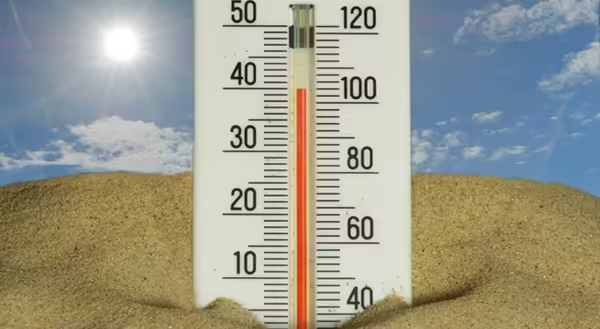
Trying to beat the summer heat while affording your utility bills can be challenging. According to the United States (U.S.) Environmental Protection Agency (EPA), the average home spends about $1,900 each year on utility bills with nearly half of that cost going toward heating and cooling. During periods of extreme temperatures, maintaining a comfortable home can put additional strain on your budget. When creating a spending plan, consider seasonal changes in utility costs and prepare for periods when energy use may increase. Planning ahead can help reduce financial stress when temperatures rise. In addition, a few simple changes around the home can help you stay comfortable while keeping energy costs under control.
The U.S. Department of Energy recommends the following strategies to stay cool during the summer months:
- Block out the sun
- Cook outdoors when possible
- Unplug unused appliances
- Maximize appliance efficiency
- Seal cracks and apply weather stripping
Blocking sunlight with blinds, curtains, or shades can help keep indoor temperatures lower and reduce the need for air conditioning. Summer is also a great time to cook outdoors, which helps prevent additional heat from building up inside your home. You can reduce unnecessary electricity use by unplugging devices and appliances that are not in use and turning off lights when they are not needed. While the energy used by individual items may seem small, those costs can add up over time.
Maximizing appliance efficiency is another effective way to manage energy consumption. Regular maintenance, such as cleaning appliances and replacing or cleaning filters, helps equipment operate more efficiently. Ceiling fans and portable fans can also improve air circulation and create a cooling effect, allowing you to feel more comfortable without lowering the thermostat. Sealing air leaks around doors and windows and applying weather stripping are among the simplest and most cost-effective ways to improve energy efficiency. The EPA estimates that homeowners could save almost $190 per year by sealing air leaks and adding insulation to your home.
If you are struggling to afford your home energy bills, assistance may be available. The Illinois Department of Commerce and Economic Opportunity has a program to assist low-income households. The Low Income Home Energy Assistance Program (LIHEAP) helps eligible low-income households pay for home energy services. To learn more about available resources and eligibility requirements, contact the Help Illinois Families call center at 1-833-711-0374 or visit the program website.
Finding simple ways to save energy can lower your bills and support your overall financial goals. As you work to conserve energy, remember to account for higher seasonal costs in your spending plan. Planning ahead can help you stay comfortable in your home and confident in your finances.
References
Illinois Department of Commerce and Economic Opportunity. (2026). Energy assistance. DCEO. https://dceo.illinois.gov/assistanceforindividuals/energyassistance.html
United States Department of Energy. (2026, May 15). Energy-saving hacks to beat the Summer Heat. Energy.gov. https://www.energy.gov/indianenergy/articles/energy-saving-hacks-beat-summer-heat
United States Environmental Protection Agency. (2026). Keep your cool and save your money this summer. Energy Star. https://www.energystar.gov/products/heating_cooling/keep_your_cool_and_save_your_money_summer
Title
Meet the Author
Jamie Mahlandt is a Financial Educator for Bond, Clinton, Jefferson, Marion, and Washington counties in Southern Illinois. She provides financial education to the local community with an emphasis on financial literacy and financial well-being.
Title
Subscribe
Subscribe to blog updates HERE.