Do you ever ‘rediscover’ a plant? And by ‘rediscover’ I mean, you are fully aware of the plant, you can identify it, it is abundant in the landscape, you might even have it in your own landscape, but even though it is present, it doesn’t mean it is noticed until it is. It seems like this happens to me every year…it is both fun because it feels like reconnecting with an old friend, and frustrating because I wonder what I’m missing this year?
So, what did I rediscover this year? It is none other than the very popular Monarda. I know what you are thinking…how are you missing this species? It is everywhere! And I’ll say, I know. I always see it, but I don’t always SEE it. Anyway, here is a brief on the species and a more in-depth look at the Spotted Beebalm because I’m particularly fond of the unique bloom this species offers (amongst other appealing characteristics).
Monarda spp.
The genus Monarda is known by a variety of common names including but not limited to bee balm, bergamot, and horsemint. The species belongs to the mint family (Lamiaceae) and is appreciated for its aesthetic and ecological value. Twenty-five species of Monarda are recognized as native to North America; several are native to Illinois, including Monarda fistulosa (Wild Bergamot), Monarda bradburiana (Bradbury’s Monarda), Monarda citriodora (Lemon Mint), and Monarda punctata (Spotted Bee Balm).
Members of the mint family are characterized by their square stems, which Monarda exhibits. Additional identifying characteristics of Monarda include opposite leaves, fragrant foliage, and distinctive tubular flowers. One unique, technical note regarding the floral display is that what we will often refer to as the bloom is a cluster of many small, tubular, individual flowers. This contributes to the unique appearance.
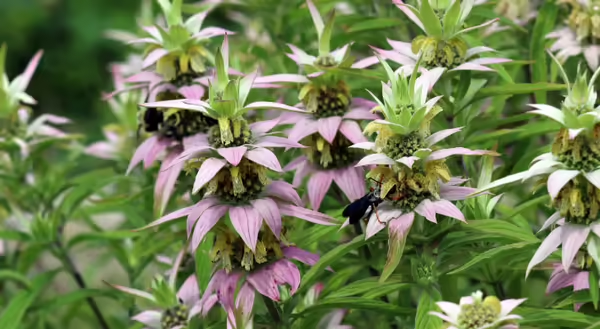
In many natural landscapes and designed wildlife gardens, Monarda species serve as a pollen and nectar resource for a multitude of pollinators including bees, butterflies, and hummingbirds. A wide variety of insects visit bee balm blooms, and the tubular flowers are especially appealing to long-tongued species.
Species of Monarda are some of the most valuable native forbs in North America. Monarda are consistently given a coefficient of conservatism score between 4 and 7. This means that these species are commonly found in typical native plant communities and can tolerate a moderate level of disturbance or change in the environment.
Monarda punctata (Spotted Bee Balm)
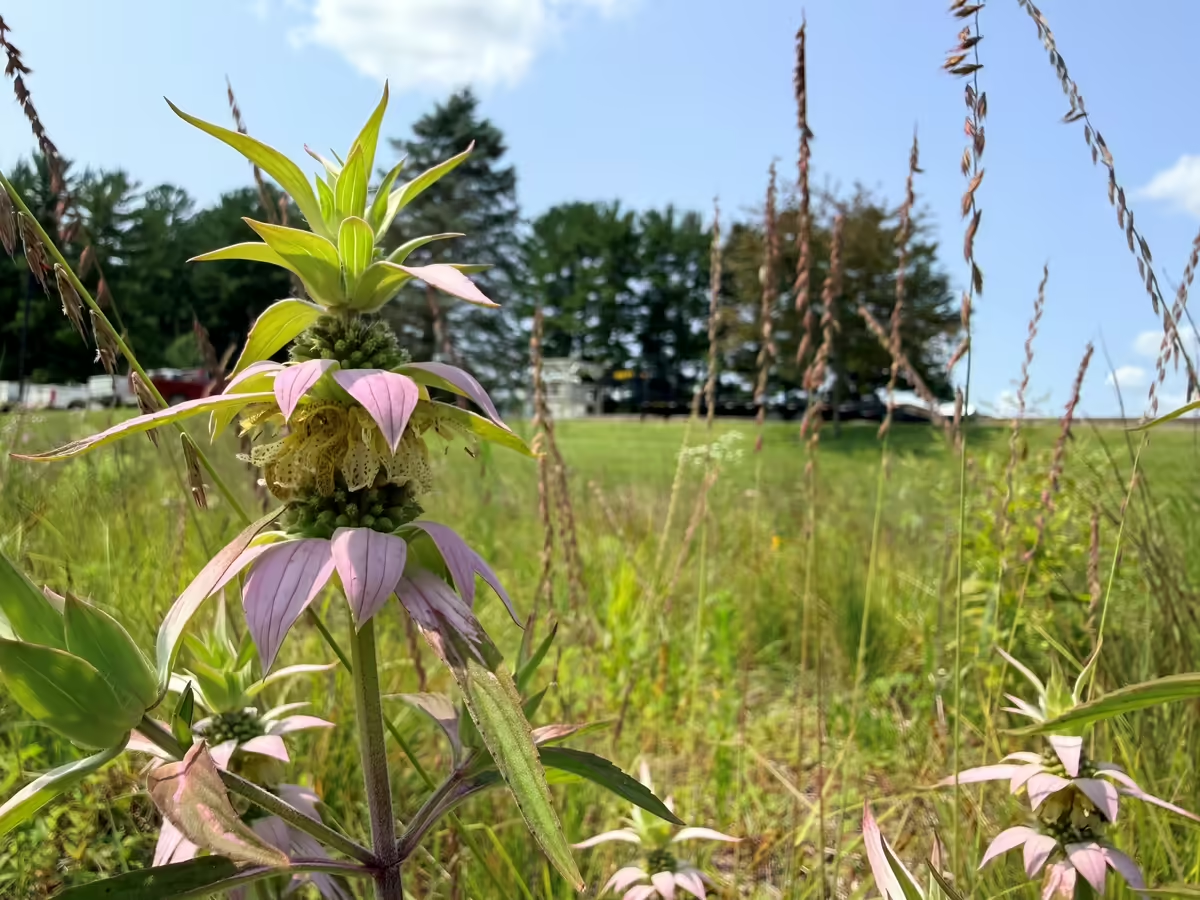
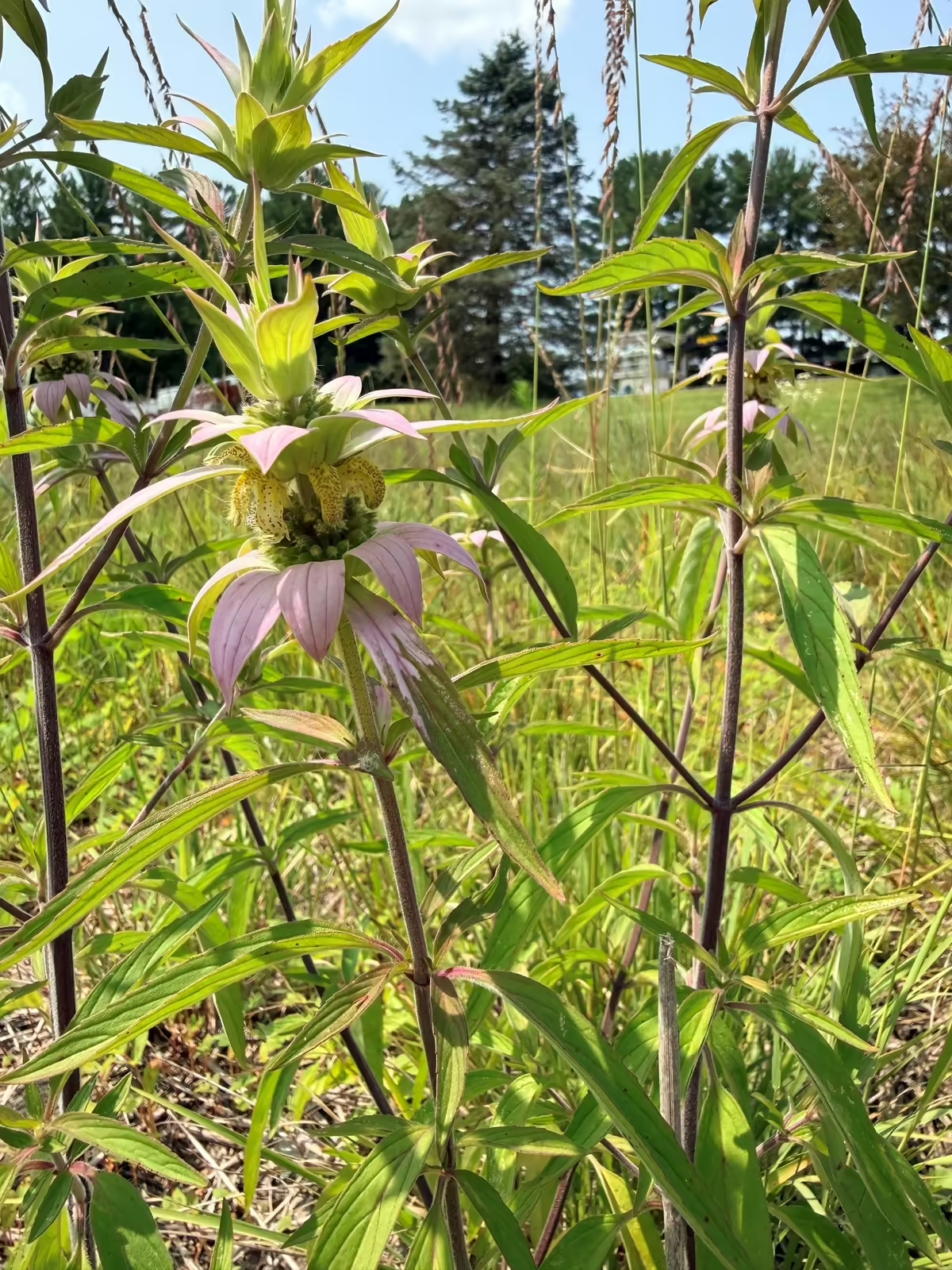
Among all members of the Monarda genus, perhaps the most distinct bloom is found on the Spotted Bee Balm (Monarda punctata). While other species produce a cluster of tubular flowers in what appears as a singular bloom, spotted bee balm develops clusters of flowers in a tiered system, stacked along a stem. The aesthetic result is like nothing else.
Blooms appear in shades of light pink to purple, green, and cream and often feature burgundy-maroon-colored spots. Flower clusters are highlighted by colorful bracts (modified leaves) that surround them and create a layered look. These bracts are believed to serve the purpose of creating a more visible and appealing flower for pollinators. A benefit for people is that the bracts persist much longer than the blooms, resulting in additional weeks of ornamental interest in the home landscape.
Spotted bee balm has a wide native distribution including nearly all of the states east of the Missouri River plus Kansas, Oklahoma, Texas, New Mexico, and California. This wide distribution hints at the species’ adaptability as compared to other Monarda species, which prefer consistent moisture. Monarda punctata tolerates dry, sandy conditions, and is more drought-tolerant than other species once established.
Growing Spotted Bee Balm
For gardeners interested in incorporating spotted bee balm into the landscape, a few tips and words of caution.
The preferred growing conditions of Monarda punctata are full sun, dry to medium soil moisture levels in a well-drained soil. The plant reaches heights of one-and-a-half feet to three feet in height.
Like other members of the mint family, spotted bee balm may gradually spread through rhizomes and self-seeding, although it is generally considered less aggressive than other Monarda species.
Powdery mildew is a well-known challenge for many Monarda species, and spotted bee balm is susceptible, although less so than other species. Plant in a garden location with good air circulation and proper spacing to help reduce disease pressure.
Considering Spotted Bee Balm
Monarda is an abundant plant in many landscapes, yet despite its exceptional ecological value and striking appearance, spotted bee balm remains underutilized in many landscapes. Other, showier species are often chosen for use in the landscape. Perhaps appreciation for the drought tolerance, long-bloom periods, unusual aesthetics, and extraordinary pollinator benefits of Monarda punctata has yet to be fully appreciated.
My hope is that this brief spotlight on the unique, well-suited plant for many landscape applications will add options to your plant palette.
Good Growing Fact of the Week: The genus name Monarda honors Nicolas Monardes (1494-1588), a Spanish physician and botanist. He never traveled to North America but learned about the genus through contacts at the Port of Seville, eventually acquiring seed samples to grow.
Thank You for Reading!
Sign up for our emails! Want to get notified when new Good Growing posts are available? SIGN ME UP
Give us feedback! How helpful was this information (click one): Very helpful | Somewhat helpful | Not very helpful
Meet the Author
Emily Swihart is a horticulture educator with University of Illinois Extension, serving Henry, Mercer, Rock Island, and Stark counties since 2021. Emily provides horticulture programming with an emphasis on the home gardener, the urban forest, native plant ecosystems, and landscape design. Additional responsibilities include supporting local county Master Gardener and Master Naturalist volunteers - providing training, continuing education, advanced training, and their involvement in seasonal events and community outreach programs.