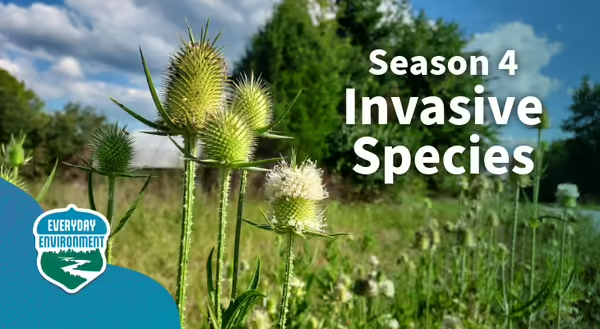
In the spring 2026 season of Everyday Environment, we explored invasive species in a new and exciting way. The world of invasives typically focuses on which species are problematic and how to get rid of them. But our team dove deeper and more broadly into solution-finding and troubleshooting the complex challenges posed by invasive species.
We’ve explored new aspects of invasive species, including:
- How we communicate about invasives, including awareness and management,
- Regulations and their enforcement to limit the spread
- Collective efforts to address invasive species issues.
Here are a few common themes we found along the way that make us feel hopeful about tackling this issue.
Everyday people see invasive species first.
There is considerable professional effort in monitoring and managing invasive species. Land managers and researchers are working to understand what is new and impacting their landscapes, but from what we learned, professionals don’t always see emerging invasive species first. Time and time again, we noticed that it was the everyday hikers, outdoor enthusiasts, and gardeners who first found something was off in an area, leading to the discovery of a new invasive.
When chatting with Ashwarya Virabahu, she mentioned that the golden oyster mushroom was first reported in the wild by foragers and mushroom clubs. Carp activity was first noticed by commercial fishermen, according to Steve Butler. So reporting what we see and sharing our observations is key to raising awareness.
Even more encouraging, we have evidence that reporting can directly influence management. Rebekah Wallace from EDDMapS tells an incredible story about the reporting of an invasive species in an area and the response and management that occurred within 24 hours! The actions of everyday people matter, and anyone can participate in invasive species awareness.
We cannot tackle invasive species alone.
In our case study episode from Emiquon, Maria Lemke said something that perfectly sums up invasive species efforts: invasive species work is all about “learning from each other.”
Efforts to address invasive species are not independent endeavors. Instead, they are a group effort. This season highlighted the importance of many different groups coming together to make a difference, including:
- Researchers looking into the genetics of ornamental plants escaping from our gardens
- Agricultural monitoring programs keeping an eye out for new potential pests
- Landscape professionals sharing their observations of how species behave in a managed landscape
- Outreach programs engaging the public in new and innovative ways, and
- People like you!
Rebekah Wallace talked about how the data for EDDMapS comes from professional scientists and land managers directly entering data on their maps, combined with data that community scientists enter on iNaturalist and from state and federal agencies. Then, to ensure accuracy, professional experts in invasive species support the effort by serving as verifiers for any data entered. EDDMapS is an incredibly useful tool for land managers and researchers in invasive management that is only possible because of the collective efforts of communities, land managers, professionals, and researchers.
Address invasive species with understanding.
One of the most persistent themes we found this season was the importance of understanding the “why” behind people’s choices surrounding invasive species. From talking with Chris Enroth about invasive landscape plants to chatting with Michelle Beloskur about public gardens, we found that everyone has different motivations for their choices. Sometimes people don’t know that a certain species is invasive – they see it planted in their neighbor’s yard and like how it looks, so they decide to plant it themself.
Other times, though, even if we know something is invasive, we often have emotional ties to the natural world. Maybe it’s the callery pear we planted with our parents, or the satisfaction of seeing our own mushrooms grow, or even the pride in a family plant nursery business. All of these connection points lead us to make decisions, whether we knew it was harmful or not. So approaching recommendations surrounding what people should do with an invasive species with care and understanding, instead of blame, will get us farther than we ever could have imagined.
That mindset is what has made the Public Gardens as Sentinals Against Invasive Plants program so successful. At first, public gardens were worried they would be blamed for invasive plants, but an understanding of good faith across these gardens has allowed them to share problematic species they encounter with other gardens, helping prevent the introduction of new invasive species. A collaborative effort that seems impossible in our complex world, made a reality.
Chris Evans mentions that “The best conservation ideas are spread over the fence.” To address invasive species and connect “over the fence,” we must talk with our neighbors with an understanding of best intent. As Emily Steele discussed, we can try to identify the value of what our neighbors care about and consider our words carefully. What do your neighbors care about? Most times, it’s not the specific species; it’s a feeling tied to it or the maintenance or look of that particular plant. This mindset will help us not only address this challenge, but do it together with our neighbors, communities, and municipalities to reduce invasive species across our landscapes.
Do you have questions about invasive species? We have the answers! This Q&A livestream about invasive species in Illinois was presented and recorded on May 21, 2026, on Facebook for the Everyday Environment series.
What’s coming next? Join us in Fall 2026 to explore nature-based solutions!
In Everyday Environment, we talk and talk about the ecology of our environment and how these different interactions impact each other, but how do we make these interactions work for us? How can we address the challenges of our human-centered ecosystems while also supporting the system as a whole?
Join us starting this August as we look at issues that come up in your home and community, and how nature can help us address them.
In the meantime, explore and share our season 4 blogs, podcasts, short videos, and webinars.
You are also always welcome to visit your local county Extension office and connect with staff for more information.
See you next season!
- Abigail, Amy, Erin, and Emily
About Everyday Environment
Everyday Environment is a series of blogs, podcasts, webinars, and videos exploring the intricate web of connections that tie us to the natural world. It is produced by natural resources and environmental staff from University of Illinois Extension.
Was there something about this topic we didn’t cover? See something cool in nature? Let us know! Hit "Connect with Us" below to send us your question or share your everyday nature observation with and we may share it in a future blog or podcast.
Subscribe to the Newsletter Connect with Us Find Your Local Extension Office