USApple notes that the U.S. grows more than 100 apple varieties. So, no matter what flavors, colors, or crispness level you're looking for, there's likely a variety you'll enjoy. Now that we're close to autumn and it's apple season, I'm ready to shop.
Nutrition
Nutritionally, 1 medium apple (about 3-inches across) contains 25g carbohydrate, 4g fiber, and is a source of vitamins and minerals, including vitamin C, folate, and potassium. Like other fruits, apples are not a significant source of fat, protein, or sodium.
Shop
- Fresh. Choose apples that are firm without obvious bruises or punctured areas. Also, think about how you want to use them. For example, if you want a sweet apple, avoid Granny Smiths, which are more tart. Check out which apple works best for preserving - from baking to freezing.
- Shelf-Stable Apples. Enjoy other forms of apples, such as applesauce, apple juice, and dried apple chips. These are great for snacking and often sold in individual packs or containers for on-the-go eating. For a nutrition boost, choose 100% juice or juice blends (instead of fruit juice cocktails or juice drinks), try brands that add fiber to jarred applesauce, and pick products with reduced sugar or made without added sugar.
Price
- Fresh. Fresh apples average $1.86 per pound, according to the U.S. Department of Agriculture, but prices can differ between apple varieties. If your household will go through a lot of apples, consider buying 3-pound (or larger) bags, which are often cheaper per pound than buying individual apples from the bulk bin.
- Shelf-Stable Apples. Larger containers are cheaper than individual or single-serve containers. But for your household, maybe individual applesauce cups are a convenience worth paying a little extra. It's up to you.
Store
- Fresh. Place unwashed apples in the refrigerator for several weeks. With long storage, apples can lose moisture and start to wrinkle and become soft. It's fine to eat these soft apples raw, but since they're already soft, consider using them in a cooked recipe, like the ones at the end of this blog post.
- Shelf-Stable Apples. Jarred applesauce and bottled apple juice can be stored at room temperature until opened. Once opened, refrigerate and use within 1-2 weeks or as directed on the package.
Prepare
Wash fresh apples under cool water before eating or using in recipes. Skins are edible, but remove with a vegetable peeler or paring knife if desired.
Preserve
Apples hold up well to a variety of food preservation methods. Check out instructions from the National Center for Home Food Preservation on freezing, drying, and canning apples. Also check out our free "Fill Your Pantry" recorded webinar on Preserving Apples at Home.
Eat
There are so many varieties of apples with different colors and flavor. I encourage you to try a new-to-you variety this fall!
- Snacking. Since apples are mostly carbohydrates, pair them with another food with fat and protein, like apples paired with peanut butter or cheese slices. Fats and proteins in the peanut butter and cheese slow down digestion, releasing carbs from the apple slowly for more steady, long-lasting energy. This is helpful for individuals with diabetes managing their blood sugar.
- Breakfast. Cooked cinnamon apples are a go-to in my household with a breakfast of scrambled eggs and pancakes. I've also been enjoying cut-up apples (raw or leftover cooked cinnamon apples) on top of yogurt with dry cereal and a sprinkle of nuts.
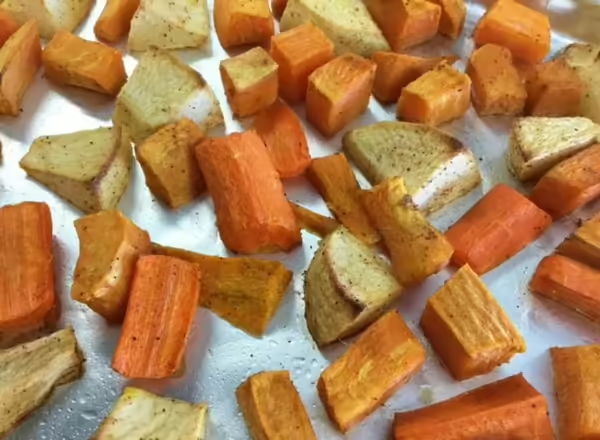
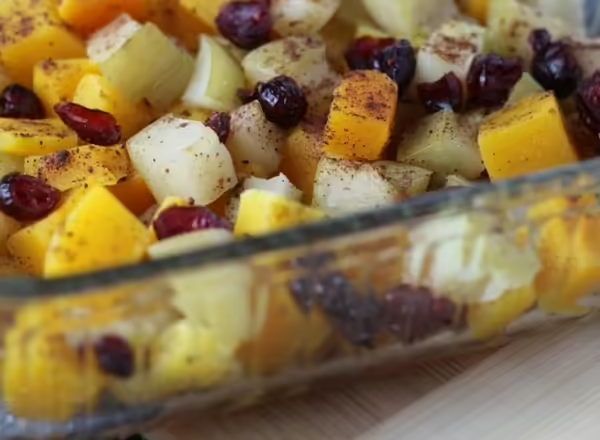
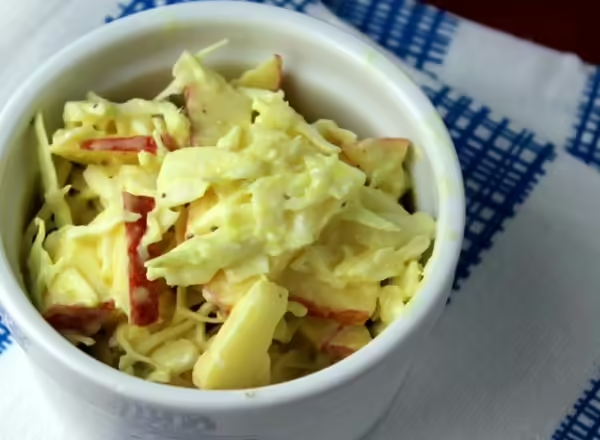
- Side Dishes. At the end of this blog post, check out three easy side dishes with apples. The slaw is a perfect pairing for pulled pork sandwiches or as a unique addition to chicken or fish tacos. The roasted medley and the squash casserole are tasty with pork tenderloin or another protein of your choice.
Grow an Apple Tree
Consider adding an apple tree (or two or three) to your property. Learn more about best-practices from our Fruit Trees for Home Gardens page.
Resources:
- North Dakota State University, From Orchards to Tables: Apples, 2022
- U.S. Department of Agriculture, FoodData Central
Post originally published in 2021; content updated in 2026.
About the Author: Caitlin Mellendorf is an Illinois Extension Food and Nutrition Educator serving DeWitt, Macon and Piatt Counties in Central Illinois. She is a Registered Dietitian and her work focuses on helping community members gain the knowledge, skills and tools to live healthier, more nutritious lifestyles. This includes providing programs and answering questions about heart health, diabetes, food safety, food preservation, grocery shopping and cooking. You can reach Caitlin by email at chuth2@illinois.edu or call 217.877.6042.