Everyday Environment 2026
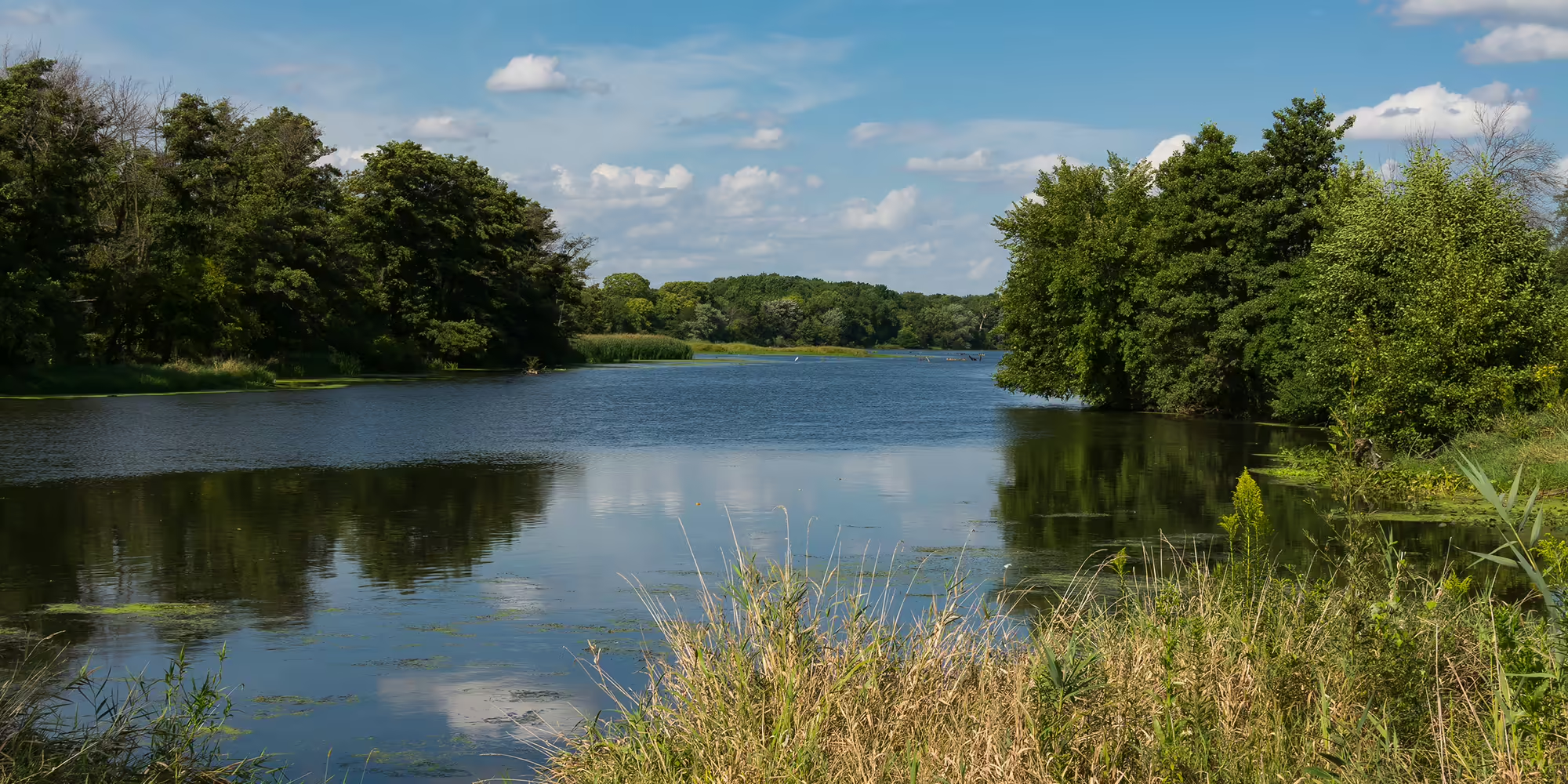
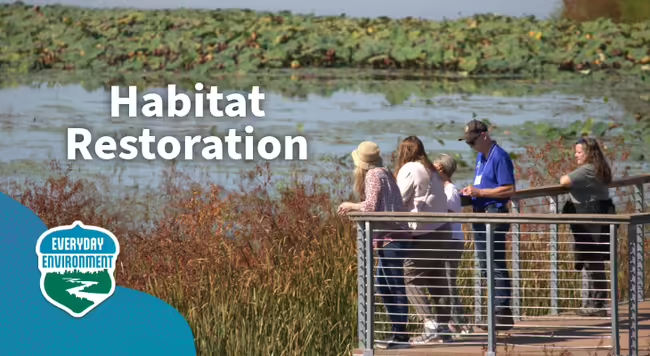
When water returned to the floodplain at The Nature Conservancy’s Emiquon Preserve in west central Illinois, it marked a major restoration success. After decades of draining the land for agriculture, restoring water to this landscape along the Illinois River helped recreate wetland, lake, and marsh...
Finish this story
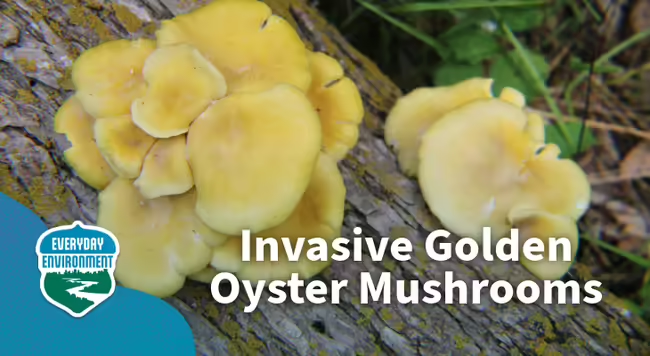
You’ve heard of invasive plants and animals, but what about mushrooms? Around Illinois, you won’t have to look far to find invasive mushrooms.Golden Oyster Mushrooms (Pleurotus citrinopileatus) are a popular edible fungus that has become invasive in North America in the past decade. Walk...
Finish this story
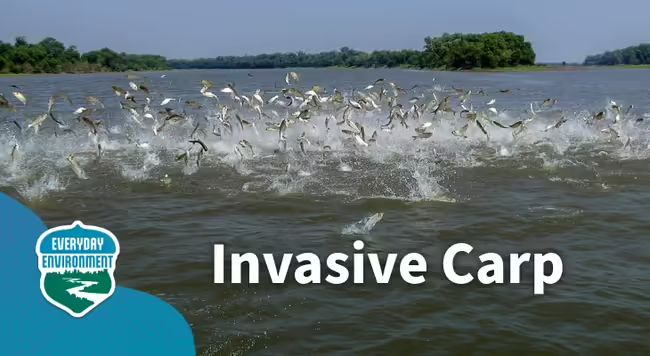
On one warm afternoon last June, I suddenly throttled down the boat as a barrage of silver carp leaped out of the water and pummeled my assistants and me, leaving a generous layer of slime on everything in the boat. Anyone who has been in a boat on the Illinois or Mississippi rivers during the...
Finish this story
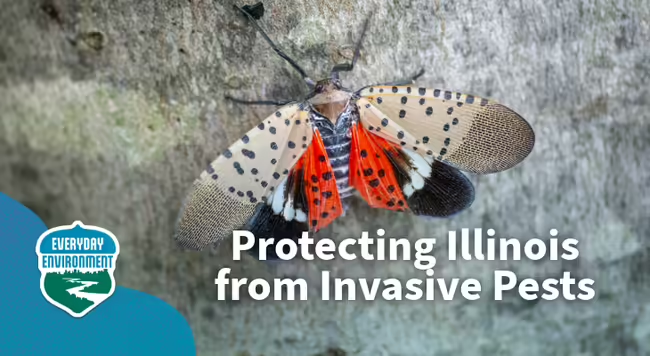
Have you ever had the sense that something is out of place, something just doesn’t belong? Years ago, on a fine summer day, I was hiking with a friend through a local nature preserve, and we were having fun quizzing each other on different plants we saw. We rounded a bend and nearly stumbled upon a...
Finish this story
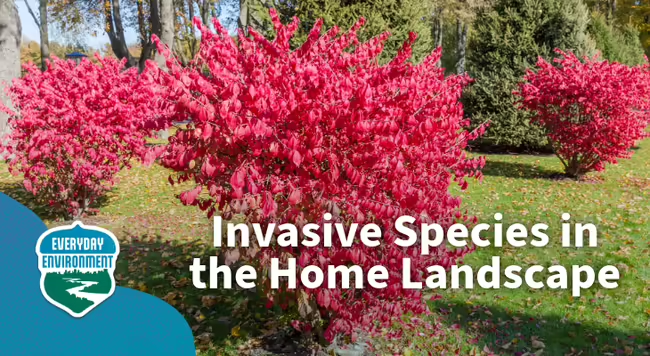
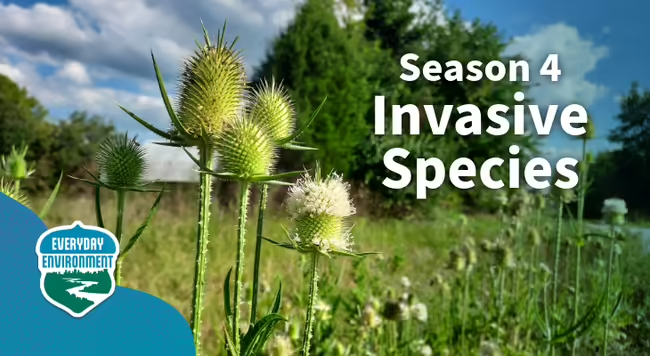
Not all insects or pathogens that arrive from elsewhere are harmful. Many settle quietly into their new surroundings without causing noticeable change. But invasive species are different, and understanding what sets them apart is key to protecting our forests.A pest is considered invasive...
Finish this story
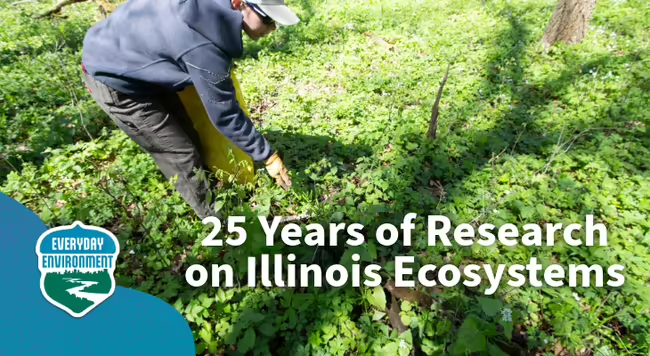
Did you know that many of the invasive plants that landowners, foresters, and conservation workers fight today were first introduced as pretty landscaping plants? It seems hard to believe that one little plant you install in your yard has the potential to rule the world, or at least the nearby...
Finish this story
Illinois is home to a diversity of natural ecosystems, including the grasslands, forests, and wetlands that once covered a majority of the state. Most of these ecosystems have been converted to other land-cover types, notably row-crop agriculture and urban and suburban development, but remaining...
Finish this story
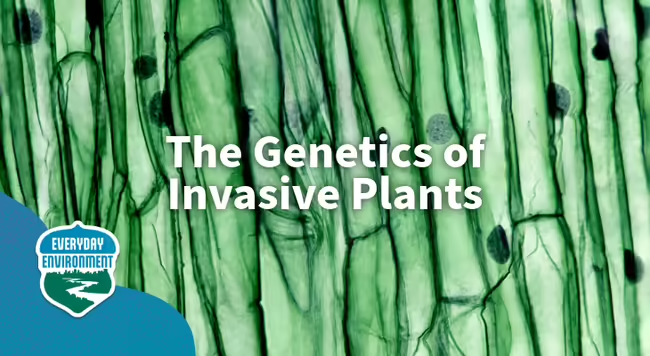
If you live in the Midwest, you may be used to seeing garlic mustard thriving along forested roadsides or buckthorn shrubs taking over forests and parks. These are two examples of invasive plants that have become widespread. Plants are considered invasive if they are non-native, meaning they...
Finish this story
It was a beautiful April Saturday afternoon at the Anita Purves Nature Center in Urbana. Like most spring Saturdays, the grounds of the nature center were full of families from the surrounding area exploring the indoor exhibits and strolling along the boardwalk through the nearby woods. Unlike most...
Finish this story